Compartir:
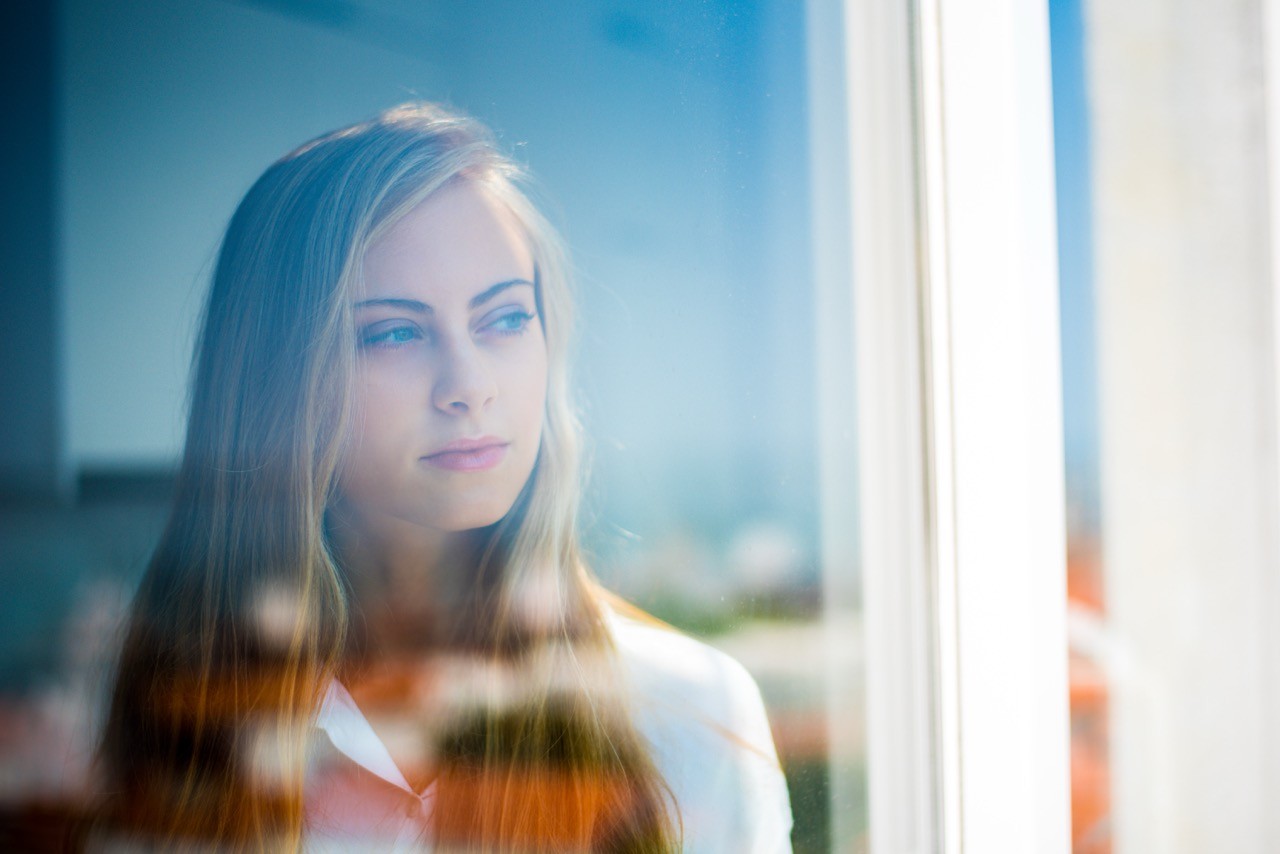
We spend up to 95% of our lives indoors.
Inside homes. Inside offices. Inside schools. Inside warehouses built from steel and glass. And while modern architecture has become more energy efficient than ever before, a deeper question is beginning to surface:
In optimizing buildings for energy, have we unintentionally de-optimized them for human biology?
A recent conversation with daylighting expert and chemical engineer Joe Menchefski shines a light—literally—on a growing issue in building design: the spectral quality of light that enters our buildings.
The Invisible Trade-Off in Modern Glass
Over the last few decades, building design has rightly focused on energy performance. Since the 1970s energy crisis, architects and engineers have worked tirelessly to reduce heat loss, improve insulation, and minimize energy waste.
One major innovation has been low-emissivity (low-E) glass.
Low-E coatings improve thermal performance by blocking parts of the infrared (IR) and ultraviolet (UV) spectrum. The result? Better insulation in winter, less heat gain in summer, and improved overall energy efficiency.
But here’s the emerging concern:
In filtering out specific wavelengths to improve energy performance, we may also be filtering out wavelengths essential to human health.
The Myopia Epidemic and “Eye Calibration”
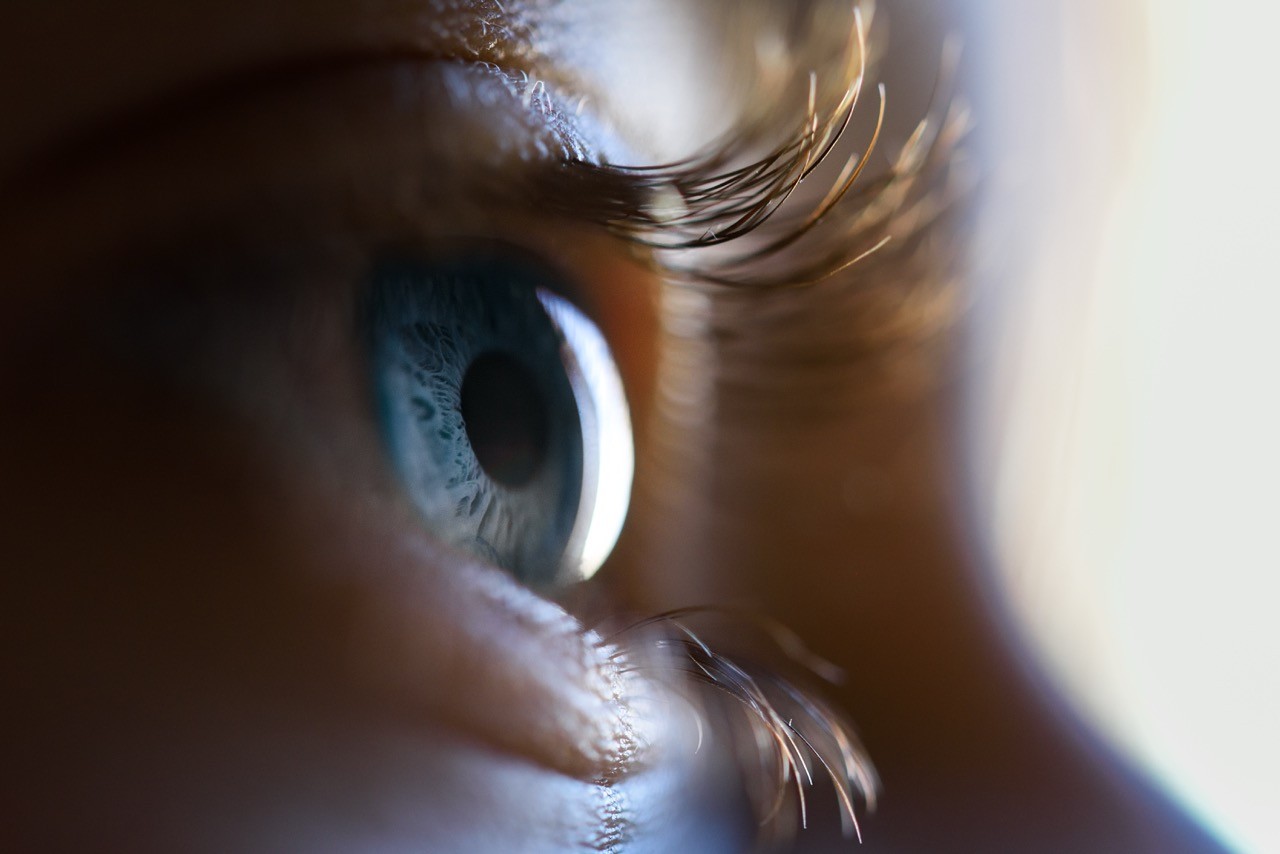
One of the most striking examples comes from research into childhood myopia (nearsightedness).
Rates of myopia are rising dramatically worldwide. While screen use is often blamed, emerging research suggests something deeper may be at play: insufficient exposure to full-spectrum natural light.
During early childhood, the eye undergoes a kind of “calibration” process. Certain wavelengths of sunlight — particularly around the violet/near-UV range (~380nm) — appear to play a role in regulating eye development and shape.
If that spectral input is missing or reduced, the eye may not develop its optimal geometry, potentially contributing to nearsightedness.
Modern low-E glass often cuts off light near this range.
The science is still evolving and not yet fully settled — but the implications are profound. Children today spend the vast majority of their time indoors, behind glass, under artificial lighting.
We may be redesigning their light environment without fully understanding the biological consequences.
LED Lighting: Efficient but Incomplete
The issue doesn’t stop at windows.
LED lighting has revolutionized energy efficiency. But LEDs do not emit a full-spectrum light comparable to the sun.
Many LED systems:
Reduce red and infrared wavelengths
Emphasize certain blue peaks
Lack the natural spectral progression that occurs from sunrise to sunset
Why does this matter?
Because light does more than allow us to see.
Our bodies use specific wavelengths to regulate:
Circadian rhythms
Sleep cycles
Hormone production
Mitochondrial function
Metabolism
Blue wavelengths (~480nm) help signal daytime alertness.
Red and infrared wavelengths are associated with evening regulation and cellular function.
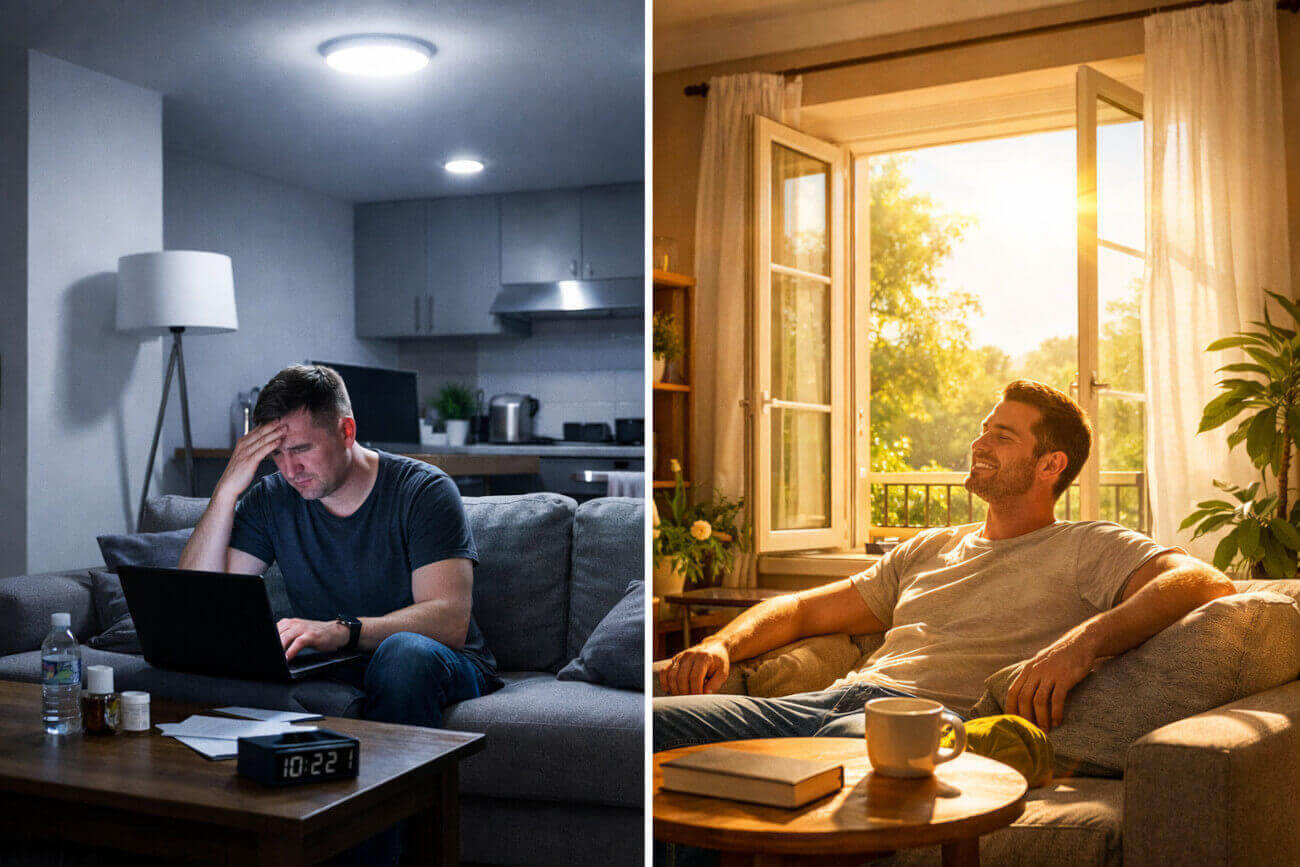
When we live in buildings that block full-spectrum sunlight and rely on partial-spectrum artificial lighting, we may be disrupting deeply embedded biological processes.
The Energy vs. Human Health Paradox
From a purely mathematical perspective, the most energy-efficient building would have no windows at all.
Fully insulated walls. No thermal transfer. LED lighting inside.
But that building would almost certainly produce lower productivity, reduced wellbeing, and potentially long-term health consequences for its occupants.
This is the central paradox facing modern architecture:
Energy efficiency alone is not a complete design strategy.
Buildings are not thermodynamic machines.
They are habitats for biological organisms evolved under the sun.
Emerging Solutions
The good news? The industry is beginning to adapt.
1. Vacuum Insulated Glass (VIG)
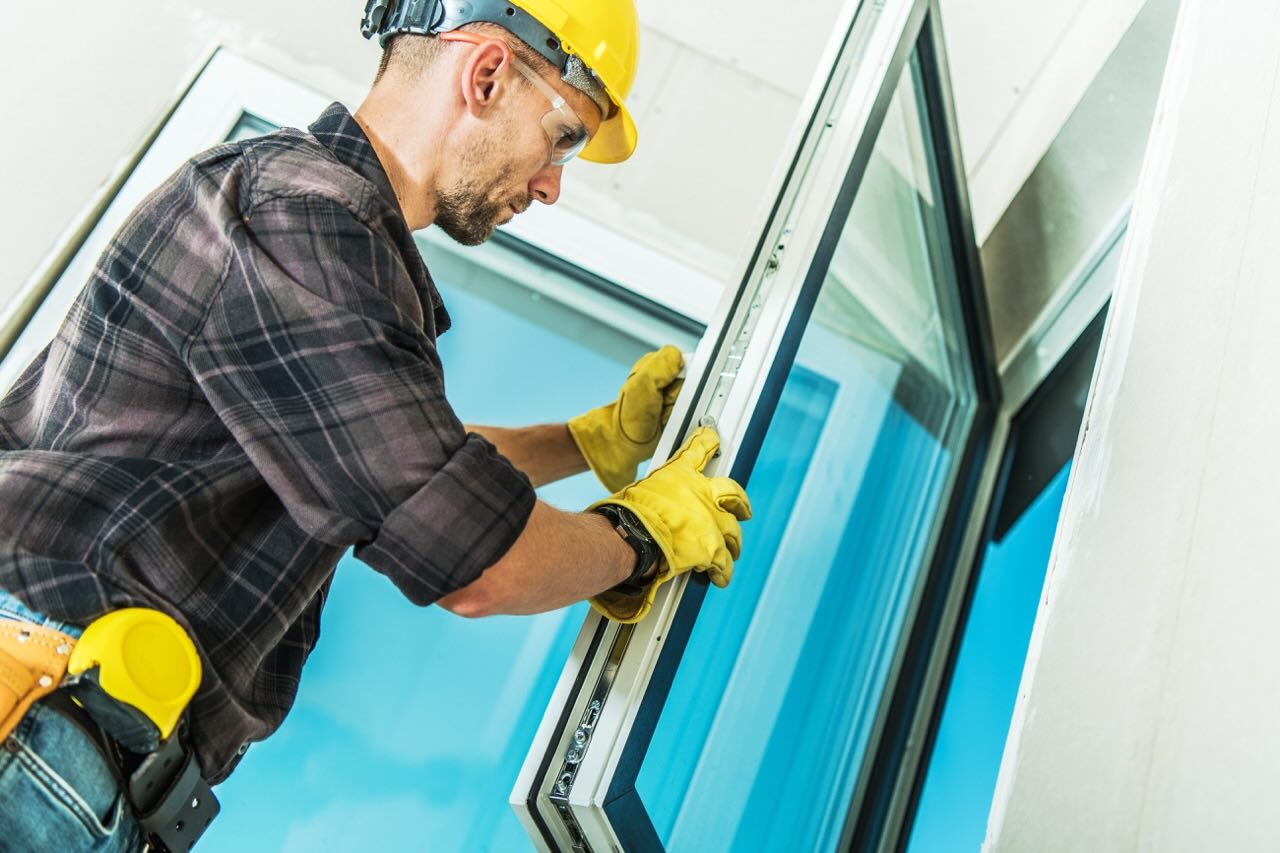
Vacuum insulated glass removes air between panes to dramatically improve insulation without requiring thick, heavy multi-pane systems.
It allows:
High transparency
Strong thermal performance
Potential retention of broader spectral transmission
This could reduce the need for aggressive spectral filtering in low-E coatings.
2. Diffused Daylighting
Direct sunlight causes glare and thermal discomfort. Historically, designers avoided it.
But direct sunlight is also what enables deep light penetration into large spaces.
Modern diffused daylighting systems soften sunlight while preserving its spectral quality — delivering high-quality illumination without glare.
3. Smarter Orientation and Passive Design
Sometimes the most powerful solution is not a new material — but better design.
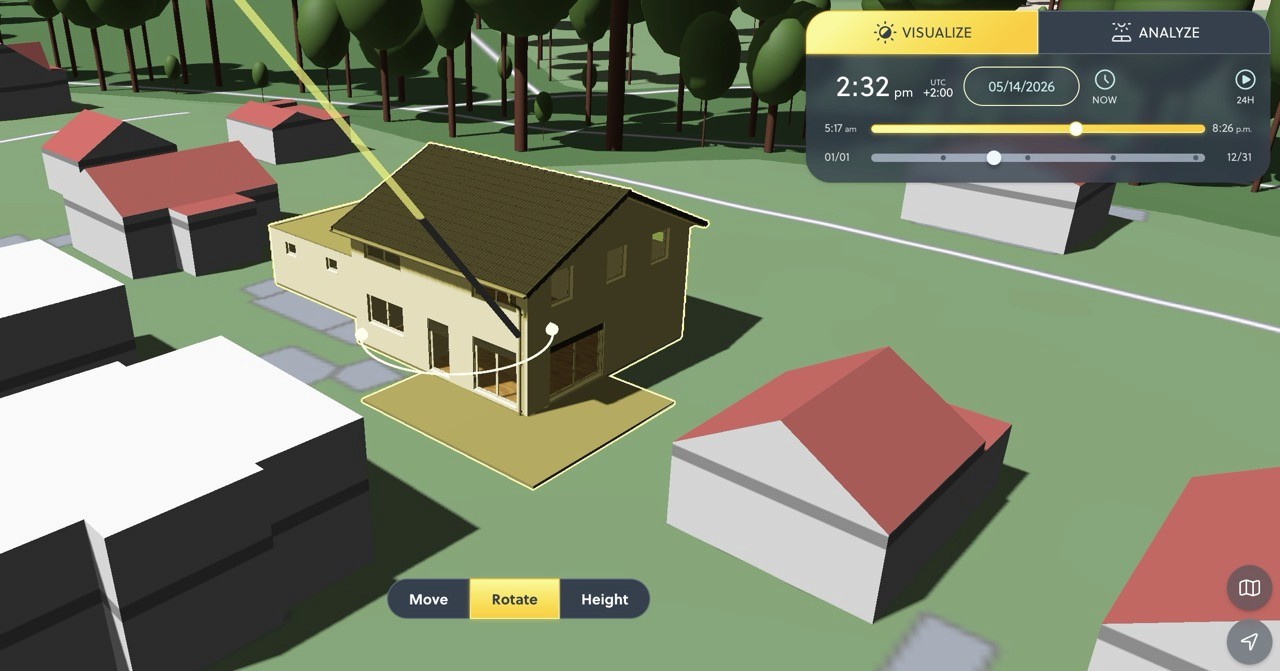
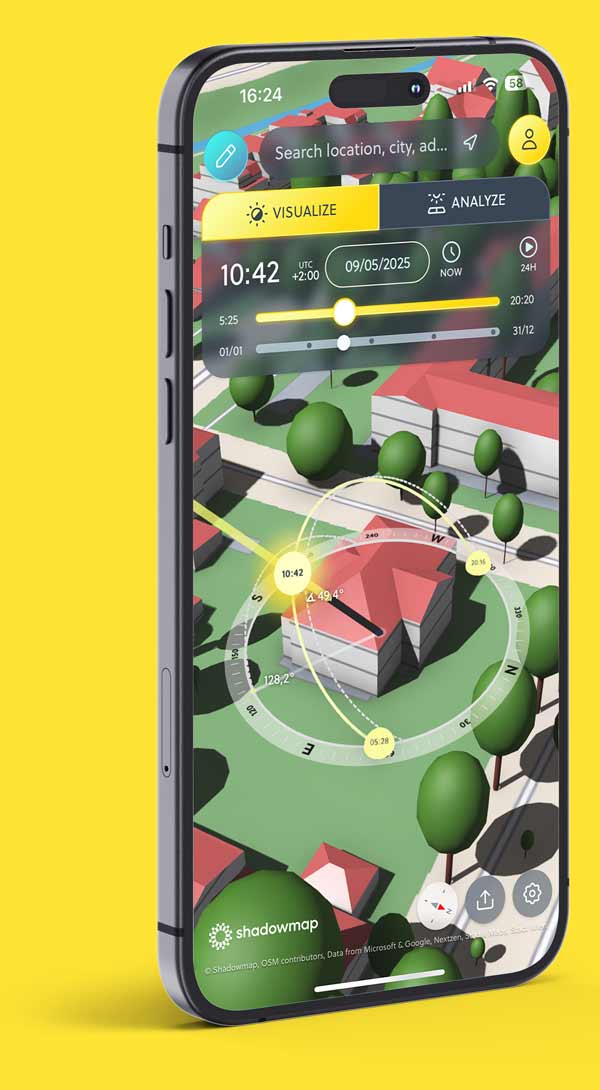
Rotating a building by even 20–30 degrees can significantly reduce heating and cooling loads while improving daylight access.
Optimizing:
Window placement
Building orientation
Overhangs and shading
Solar exposure timing
… can reduce energy consumption and improve human light exposure simultaneously.
This is not a zero-sum game.
It is an optimization problem.
A Cultural Shift Is Beginning
Architects are increasingly aware of this balancing act.
Researchers are quantifying the value of views, daylight quality, and spectral composition. Health-optimized buildings are becoming part of mainstream discussion.
But widespread change requires more than innovation. It requires awareness.
Most people don’t realize:
Glass filters light.
LED light is not equivalent to sunlight.
Invisible wavelengths influence sleep, metabolism, and development.
Once that awareness spreads, demand for better solutions will follow.

Small Steps, Big Impact
While industry adapts, individuals can act now:
Spend more time outdoors, especially children.
Seek morning sunlight exposure.
Allow natural daylight into homes when possible.
Use warmer lighting in the evening.
Pay attention to orientation when buying or designing a home.
Sometimes improving your relationship with the sun is as simple as opening a window at the right time of day.
Designing for Biology
For millions of years, human physiology evolved under full-spectrum sunlight.
In less than a century, we have radically altered that light environment.
Energy efficiency remains essential — but it must be balanced with biology.
The future of building design will not be about choosing between sustainability and health.
It will be about integrating both.
Because ultimately, buildings are not for energy models.
They are for humans.
Compartilhar este artigo:

SAIBA MAIS
Visões esclarecedoras



Como visto em