Compartir:

In recent years, a growing number of people have begun to question a simple narrative that dominated public health messaging for decades: avoid the sun at all costs.
Sunlight is now increasingly recognized as one of the most important environmental inputs for human health. It regulates circadian rhythms, supports vitamin D production, influences mood, and may play a role in metabolic and immune health.
At the same time, more people are searching for ways to build resilience to sunlight rather than simply blocking it.
This has led to rising interest in astaxanthin, a naturally occurring carotenoid sometimes described as an “internal sunscreen” and natural protection from photoaging.
That phrase is catchy but not entirely accurate. Astaxanthin does not block UV radiation the way sunscreen does. Instead, research suggests it may help the body better tolerate oxidative stress caused by sunlight.
In this article we’ll look at what current research actually shows about:
Astaxanthin and skin resilience to UV exposure
Blue light and digital eye fatigue
The safety profile of astaxanthin supplements
How diet influences sunlight tolerance
How to use astaxanthin responsibly alongside healthy sun exposure
Astaxanthin dosage: How much to take?
What Is Astaxanthin?
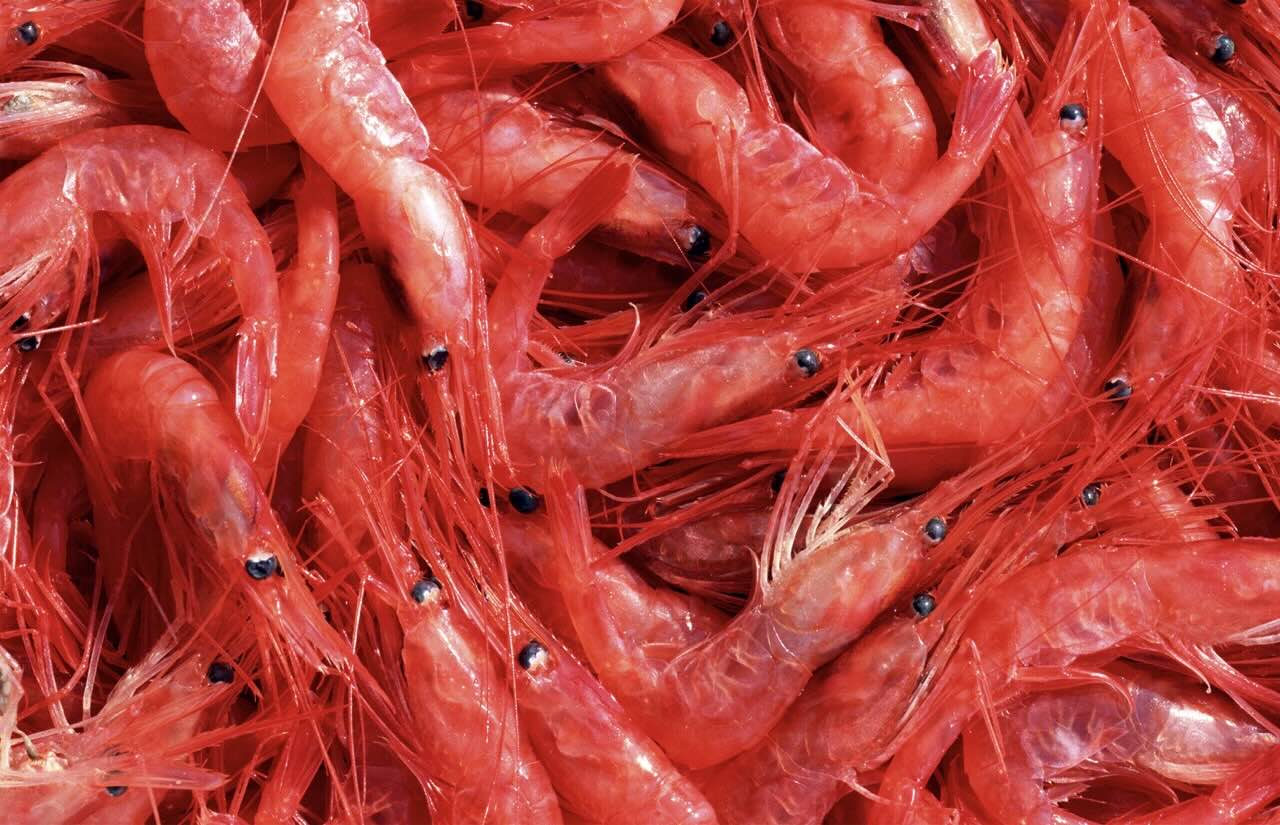
Astaxanthin is a red carotenoid pigment produced by microalgae, particularly Haematococcus pluvialis.
It is responsible for the pink or reddish color seen in salmon, shrimp, krill or flamingos. These animals accumulate the compound through their diet.
Unlike many antioxidants, astaxanthin has a unique molecular structure that allows it to span cell membranes, protecting both the inner and outer layers of cells from oxidative stress. This is particularly relevant for tissues exposed to environmental stressors such as:
skin exposed to ultraviolet radiation
eyes exposed to blue light and sunlight
cells exposed to inflammation and oxidative stress
Because sunlight triggers oxidative processes in skin cells, researchers have been investigating whether astaxanthin could help support natural skin resilience to solar exposure.
Astaxanthin and Skin Protection From Sunlight
Increased resistance to UV-induced skin damage
Some human studies suggest astaxanthin supplementation can increase the minimal erythema dose (MED) — the amount of UV radiation required to cause visible skin redness and photoaging.
In practical terms, this means skin may tolerate slightly more sunlight before burning.
The proposed mechanism is reduced oxidative damage in skin cells exposed to ultraviolet radiation. Laboratory studies show that astaxanthin can significantly reduce reactive oxygen species (ROS) generated by UV exposure, one of the key drivers of skin inflammation and aging.
Skin hydration and barrier function
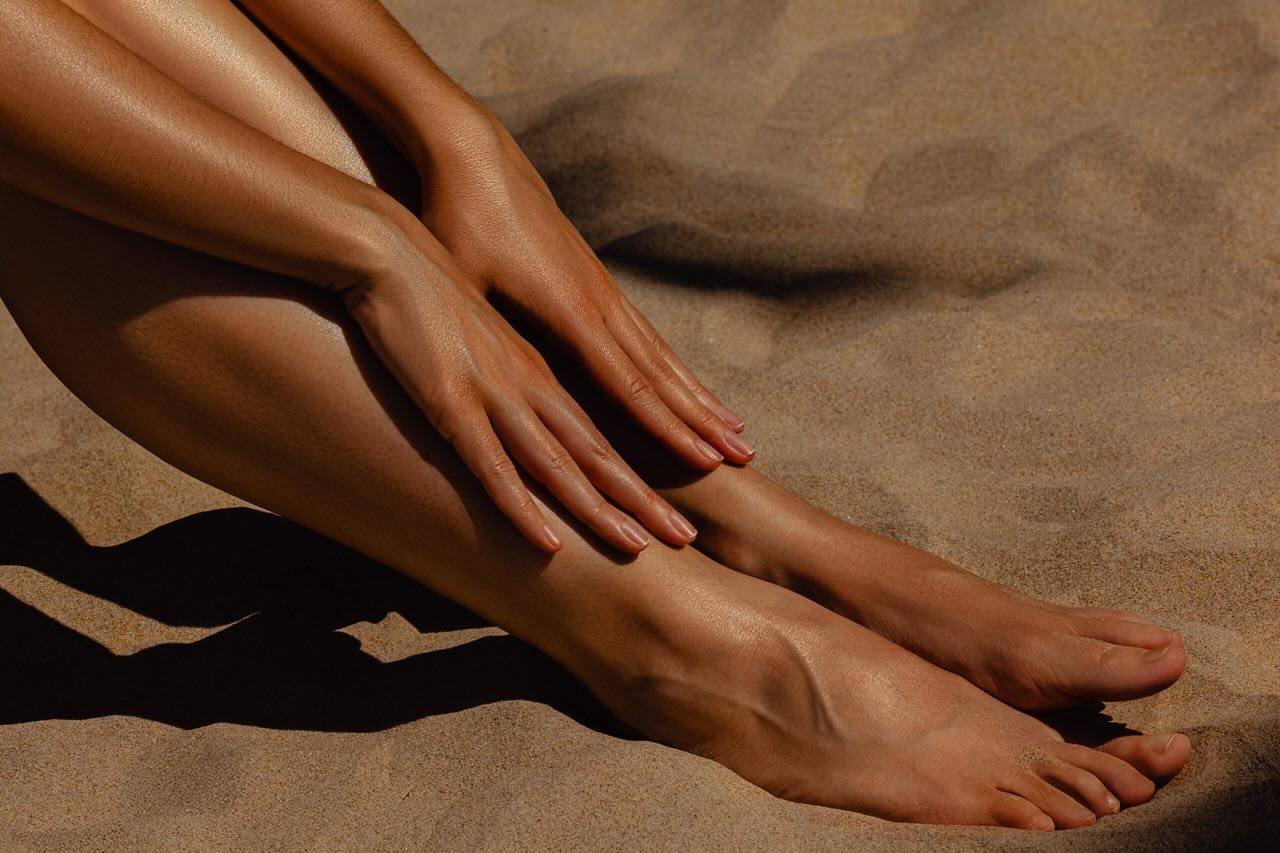
Sun exposure does not only cause sunburn. It also affects the skin barrier and hydration.
A meta-analysis of randomized human trials found that astaxanthin supplementation improved skin moisture and elasticity compared with placebo, suggesting a protective effect on the skin barrier.
Animal research has also shown improvements in:
skin water retention
elasticity
structural proteins in the dermis
after dietary astaxanthin intake.
These findings suggest the compound may support skin health under environmental stress, including UV exposure.
Astaxanthin and Blue Light Exposure
Sunlight is not the only modern light stressor. People today spend enormous amounts of time looking at screens that emit high-energy blue light, which can contribute to digital eye strain.
Astaxanthin appears to accumulate in ocular tissues and may help protect against oxidative stress in the eye. Research suggests possible benefits including:
improved blood flow in the eye
improved focusing ability in some studies
These effects are thought to occur through antioxidant and anti-inflammatory mechanisms within ocular tissues. For people who experience heavy daily exposure to screens, astaxanthin is increasingly discussed as a nutritional support strategy for eye resilience.
Astaxanthin Safety: What the Research Says
One reason astaxanthin has attracted attention in the holistic health and biohacking communities is its strong safety profile. Clinical research and regulatory assessments consistently find that natural astaxanthin is well tolerated in humans.
Reviews of clinical and preclinical studies report no significant toxicity or liver damage, even with regular supplementation. Regulatory evaluations conclude that daily doses commonly used in supplements (around 4–12 mg per day) pose no safety concerns for adults.
The only minor effect occasionally reported at higher doses is a reddish tint to stool, caused by the pigment itself. However, researchers note an important distinction:
Natural astaxanthin has strong safety evidence, while synthetic forms have much less human research.
For this reason, most experts recommend supplements derived from microalgae.
Astaxanthin Is Not a Replacement for Sun Adaptation
Although astaxanthin is sometimes marketed as “nature’s sunscreen,” this description can be misleading. It does not block ultraviolet radiation.
Your skin still receives the same sunlight. Instead, astaxanthin appears to support the body's internal antioxidant defenses, which may reduce some of the oxidative stress triggered by UV exposure. This means the fundamentals of healthy sun exposure still apply.
The skin needs time to adapt to sunlight
People historically spent far more time outdoors, allowing skin to gradually adapt to seasonal sunlight. Modern indoor lifestyles often mean people encounter strong sun suddenly and sporadically, increasing the risk of burning.
Gradual exposure is key. Avoiding sunburn remains one of the most important factors in protecting skin health.
Diet and Sunlight Tolerance
An often overlooked factor in sunlight tolerance is dietary fat composition.
Some researchers and clinicians have hypothesized that high intake of industrial seed oils rich in polyunsaturated omega-6 fats may increase susceptibility to oxidative damage and skin cancer from UV radiation. A drastic effect could already be shown in a 1988 animal study, whereas another human trial also shows a significant genetic factor in the fatty acid ratio.
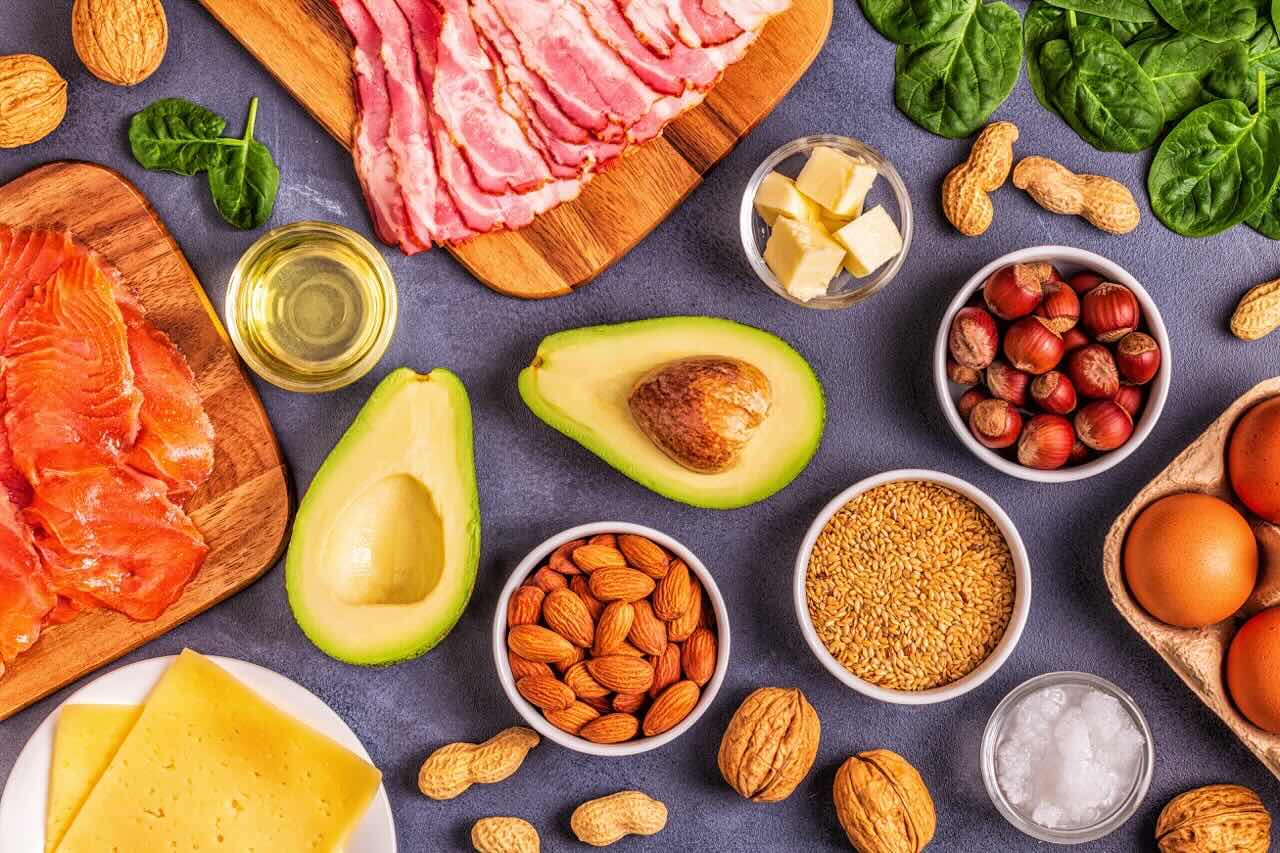
These fats can accumulate in skin cell membranes and are more prone to oxidation when exposed to ultraviolet light. While this hypothesis is still being actively researched, many people interested in metabolic health choose to reduce highly processed seed oils and emphasize more stable fats or omega 3 rich sources such as:
Extra virgin olive oil
Dairy fats
Animal fats like tallow
Coconut oil
Fish and fish oil (unstable, but great omega 3:6 ratio)
Diet alone does not determine sun tolerance, but nutritional factors likely play an important role. Astaxanthin may represent another layer of nutritional support.
Rethinking Sunscreen: Why People Are Looking for Alternatives
Sunscreen remains widely recommended as the primary defense against sun exposure. However, public interest in alternatives has grown in recent years.
Concerns often cited include:
skin absorption of questionable chemical ingredients
environmental impact on marine ecosystems
potential hormonal activity of some compounds
reliance on sunscreen while still experiencing high UV exposure
Because of this, many people are exploring additional strategies for safe sun exposure, such as:
gradual sun adaptation
nutritional support (including antioxidants)
seeking shade during peak UV hours
wearing protective clothing
Protective clothing and shade are among the oldest and safest forms of sun protection, used by cultures around the world long before modern sunscreens existed.
Other Health Benefits of Astaxanthin
Although skin resilience is one of the most discussed topics, research suggests astaxanthin may influence other systems as well.
Exercise recovery
A 2025 randomized controlled trial found that astaxanthin supplementation reduced markers of exercise-induced oxidative stress and muscle damage after intense cycling.
Cardiovascular markers
Some meta-analyses suggest improvements in HDL cholesterol and triglycerides with supplementation in the range of 6–20 mg per day.
Brain and cognitive health
Because astaxanthin can cross the blood-brain barrier, researchers are exploring its potential role in neuroprotection, although more clinical research is needed.
How Much Astaxanthin Should You Take?
Most human studies use doses between:
4–12 mg per day
Typical ranges used in research:
Dose | Purpose |
4 mg | general antioxidant support |
6–9 mg | eye fatigue studies |
12 mg | higher antioxidant support |
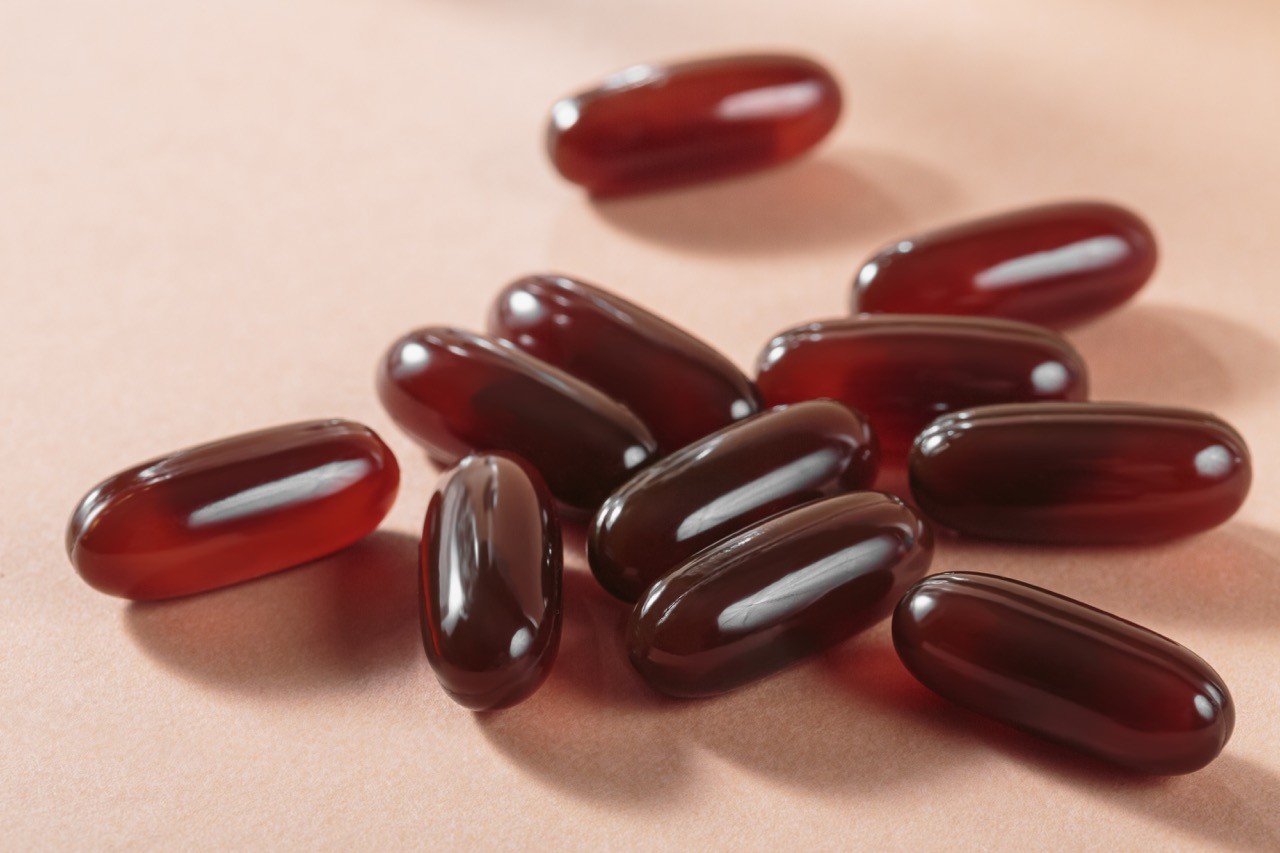
Astaxanthin is fat-soluble, so it should be taken with meals containing dietary fat for optimal absorption. Benefits usually appear gradually over 4–8 weeks as carotenoids accumulate in tissues.
Choosing a High-Quality Astaxanthin Supplement
Not all astaxanthin supplements are the same. Quality depends heavily on source, purity, and formulation.
Best source
Look for supplements derived from:
Haematococcus pluvialis microalgae
This is the form used in most clinical research.

Image source: Rendodge, CC BY 4.0 https://creativecommons.org/licenses/by/4.0, via Wikimedia Commons
Types to avoid
Synthetic astaxanthin: often produced for fish farming and less studied in humans.
Very low doses: some supplements contain less than 2 mg, which is below most research levels.
Poor quality oils: since astaxanthin is fat-soluble, capsules often contain carrier oils. High-quality products use stable oils and protect the compound from oxidation.
Contamination and stability are also concerns in poorly manufactured supplements, which is why modern quality standards include strict testing for heavy metals and other contaminants.
The Bigger Picture: Building Sun Resilience
Astaxanthin is not a magic shield against the sun. But it may be part of a broader approach to healthy sunlight exposure.
That approach could include:
gradual seasonal sun adaptation
nutrient-dense diets
minimizing highly processed oils
strategic shade and protective clothing
antioxidant support such as astaxanthin
For us humans, a species that evolved under the sun, learning how to interact with sunlight wisely may be more valuable than simply avoiding it. Now more than ever in a world of indoor lives alienated from nature.
Astaxanthin offers a fascinating glimpse into how nutrition and sunlight biology intersect.
And as research continues, this natural compound may become an important tool for people seeking to enjoy the many health benefits of sunlight — while protecting their skin and eyes at the same time.
Compartir este artículo:

MÁS INFORMACIÓN
Ideas iluminadoras





Consulta también