Partager:

In an era defined by rapid urbanization, glass towers, and climate control, we've lost touch with something essential: natural light.
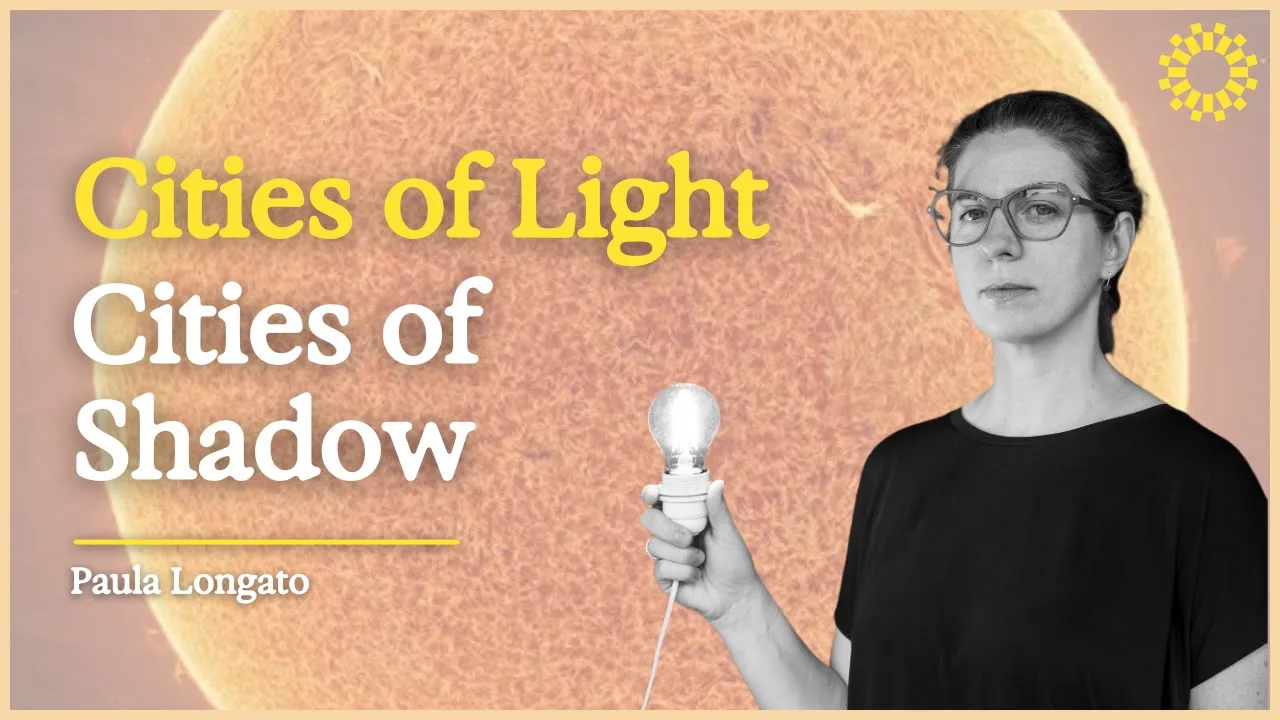
Paula Longato, a Brazilian-trained architect and daylight design expert based in Germany, brings a compelling and holistic perspective to how cities are planned and how buildings are designed. In her work—ranging from small residential projects to massive masterplans—one element consistently takes center stage: the Sun.
“Daylight is a multi-discipline science,” Paula explains. “You can't design it alone. You need architects, lighting designers, façade planners, and building physicists all working together.”
Why Natural Light Matters in Urban Design
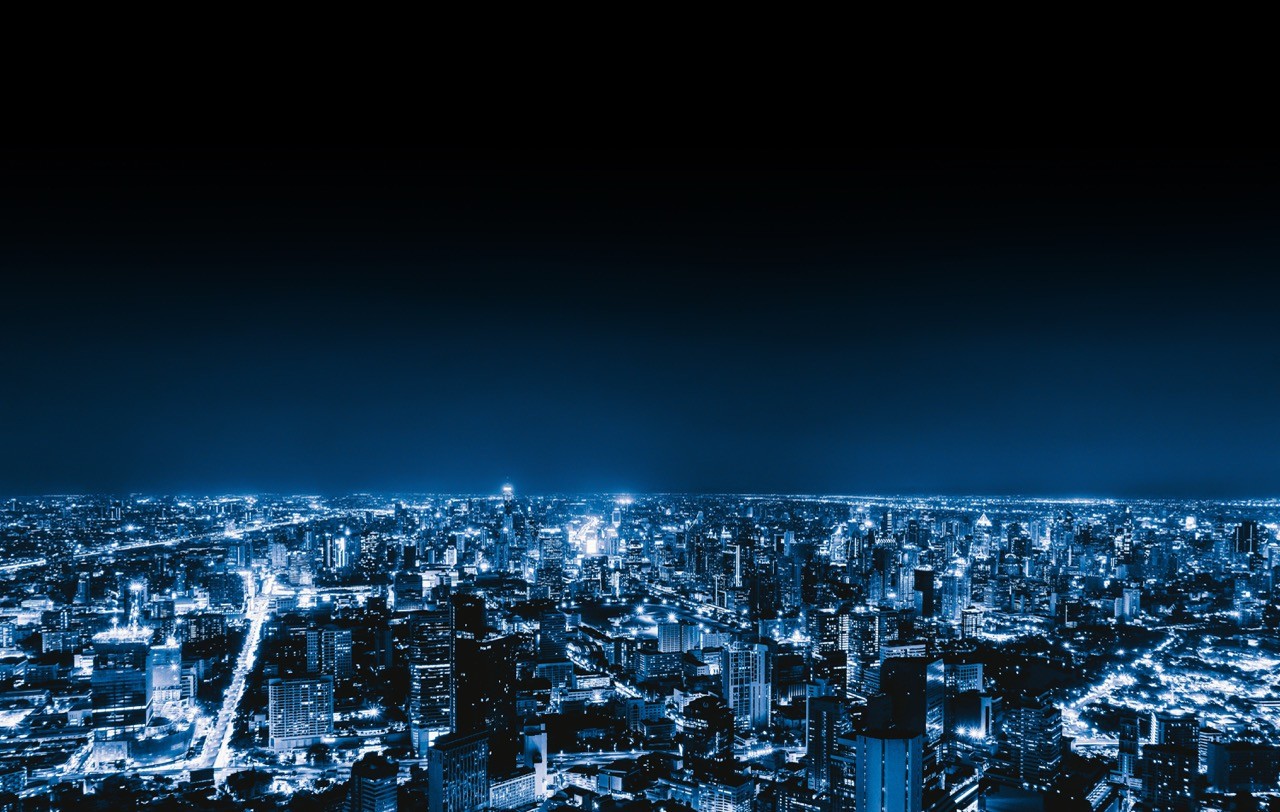
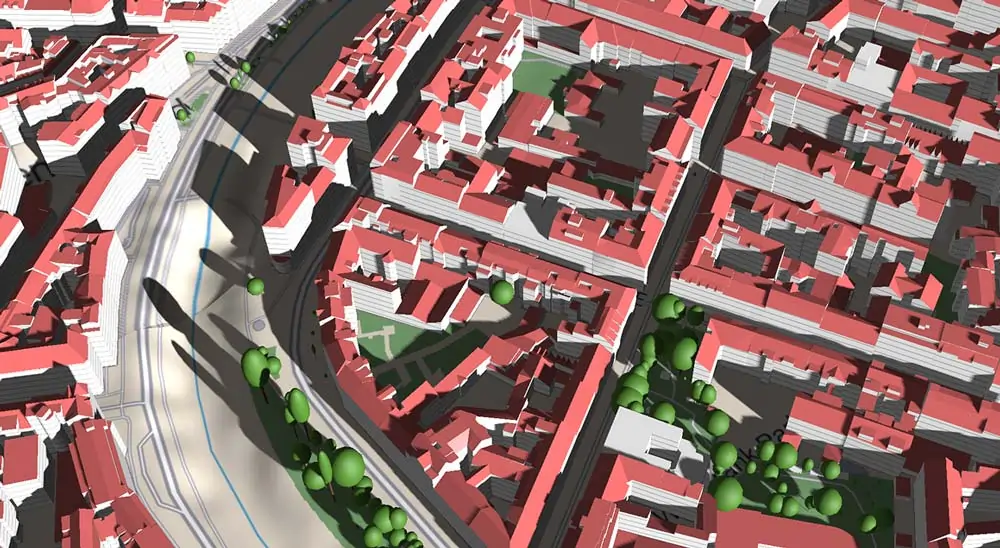
Many cities today suffer from poor daylight access. Tall buildings cast long shadows. Streets narrow into concrete canyons. As Paula puts it, “New York is a dark daylight city.” The irony? It's dazzling at night but deprived of natural light during the day.
This lack of daylight isn't just about aesthetics. It affects our health, well-being, and energy consumption. Access to sunlight supports circadian rhythms, mental health, and even public safety.
Paula calls for sunlight analysis and shadow mapping to become standard practices in urban planning and real estate development.
“We can shape cities that don't block light but channel it—where buildings and vegetation work together, not against each other,” she says.
Sunlight Isn’t One-Size-Fits-All
A fascinating thread in the conversation touched on the dangers of "copy-paste architecture"—designs replicated around the globe with little regard for local daylight conditions.
“Vernacular architecture evolved to meet the needs of specific climates,” Paula explains. “In Brazil, verandas provide shade and water runoff. In Dubai, we need different solutions—perhaps shaded outdoor gyms or filtered sunlight spaces that allow people to safely be outside even in extreme heat.”
This underscores a major challenge: designing for solar exposure is cultural and climatic. What works in Berlin won’t work in São Paulo, and what’s stylish in Dubai may be unhealthy in Scandinavia.

Light, Heat, and Health: The Infrared Puzzle
The interview explored the critical role of infrared light—the invisible wavelength that helps regulate metabolism, mood, and overall vitality.
Yet most modern glass, especially in luxury high-rises, blocks this wavelength. So even when people live in so-called “sun-drenched” apartments, they may not be receiving the beneficial aspects of full-spectrum sunlight.
The answer? Paula is clear:
“We need to detach from the idea that the building alone will save us. We need to go outside.”
Shadow Mapping and Orientation: Smart Design for a Brighter Future
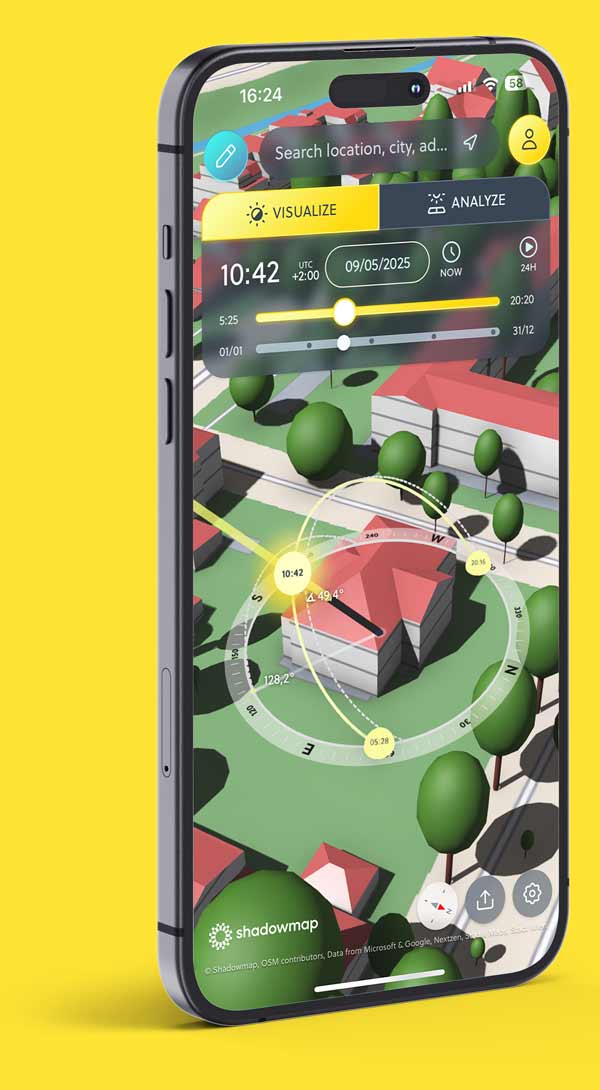
The rise of tools like Shadowmap has empowered a new generation of designers, homeowners, and urbanists to better understand how light interacts with their environment. Proper building orientation—especially on a north-south axis—can dramatically reduce heating and lighting costs while enhancing comfort.
“Daylight should be the primary light source. Artificial light should just be a complement,” Paula emphasizes.
But reality shows the inverse: Most buildings rely heavily on artificial lighting even during daylight hours—an architectural failure driven by poor orientation, small windows, or deep floorplates.
The Light–Dark Balance: Reclaiming the Night
Urban light pollution is another silent issue with real consequences for human and animal life. Cities today are flooded with artificial light—billboards, streetlamps, and illuminated windows—disrupting the natural darkness we evolved with.
“We’ve lit up the night because we’re afraid of the dark. But we’ve paid the price—wrecked circadian rhythms, poor sleep, and damaged ecosystems,” Paula says. “We need to be smarter about how we light cities.”
Future-forward cities, especially in Scandinavia, may begin embracing darkness again—turning off non-essential lighting at night and allowing ecosystems and humans to rest.
Takeaways for Architects, Urban Planners, and Real Estate Developers
This conversation is a wake-up call for anyone involved in shaping the built environment. Here are key insights:
Daylight is a human right — Design buildings and neighborhoods for maximum natural light.
Sunlight analysis and shadow mapping should be as essential as structural calculations in architecture and urban planning.
Building orientation matters — Optimize for solar exposure to reduce energy use and improve well-being.
Cities need darkness too — Light pollution must be managed with circadian rhythms and ecosystems in mind.
Vernacular knowledge is key — Modern design should learn from the wisdom of local traditions.
In Conclusion: Let the Sun In
As Paula Longato puts it, we need to respect light—both daylight and darkness.
Whether you're a city planner, architect, developer, or simply someone looking to buy a home with good light, there’s a simple truth: sunlight matters. And so does shadow. Together, they shape our experience, our health, and our happiness.
If we can learn to design with the sun again—not just around it—we’ll create cities that thrive in every sense of the word.
Partager cet article:
EN SAVOIR PLUS
Des idées lumineuses


Tel que vu sur