Teilen:
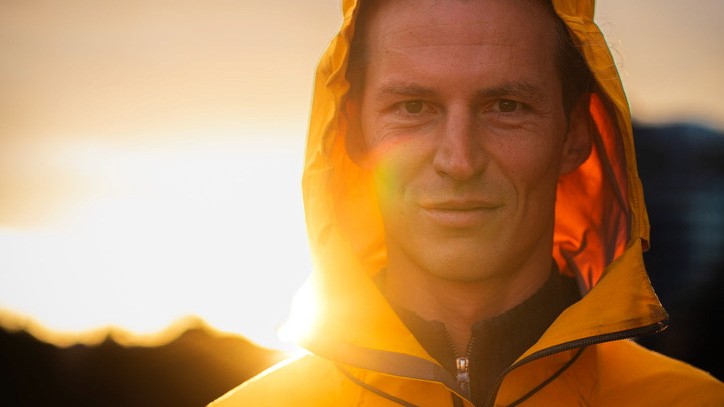
It is not yet five in the morning, and Georg Molzer is cycling through Vienna in the dark, looking for somewhere to watch the sun come up. He has done this every day for three weeks. Molzer is the founder of Shadowmap, a company built on the idea that sunlight matters. He wanted to know whether that idea holds up inside his own body.
The premise is easy to state and uncomfortable to sit with. In industrialised countries, the average person now spends around 90% of their time indoors, a figure that traces back to the US Environmental Protection Agency’s national activity pattern survey. We work beneath artificial lighting, commute between buildings and experience daylight through windows rather than directly. While technology has transformed the way we live and work, it has also created an environment unlike anything humans evolved to inhabit.
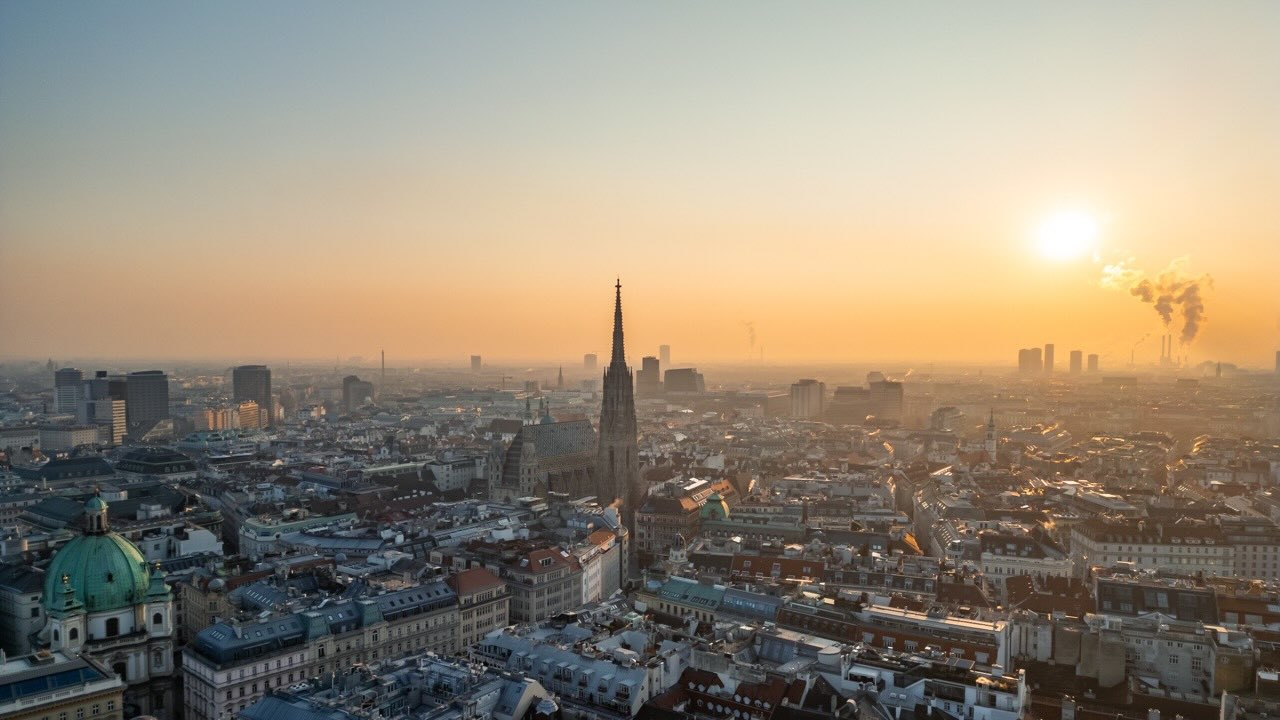
So what would happen if you built your life around sunlight instead?
For three weeks he woke before sunrise every day, cycled across his home city and found a place to watch the sun come up before starting work. This was not about waking early for its own sake. It was a test of whether building your life around the sun’s natural light could change your mood, your productivity and your sleep. Throughout, he measured his light exposure, sleep quality, heart rate variability, cortisol, melatonin and blood biomarkers. The samples are still with the laboratory. What follows is what the body reported first.
Dr Nicholas Witton, who spent six years researching light, sleep and circadian rhythms at Oxford and won the 2025 Jean Heap bursary for his work on near-infrared light and sleep, explains that humans evolved with the sun in mind. While we can modify our diet, exercise, and sleeping habits, one requirement remains constant: our need for natural sunlight. The increase in artificial lighting, which has the benefit of allowing us to function all day and night has also detached us from the biological cues that have supported us for millennia. Light supports our body with information that influences hormone production, alertness and sleep timing, all thrown off with the increase in artificial and decrease in natural light. The challenge is that our eyes adapt remarkably well to indoor lighting, giving us the impression we are receiving enough daylight. In reality, the difference is enormous.
Indoor environments commonly provide around 300 lux of illumination. Even on a cloudy day, light levels can reach approximately 10,000 lux. This can exceed 100,000 lux on a partially sunny day. Although our vision adjusts seamlessly, our biology recognises the difference immediately.
To understand how increased daylight exposure affects the body, the experiment used a range of monitoring tools.
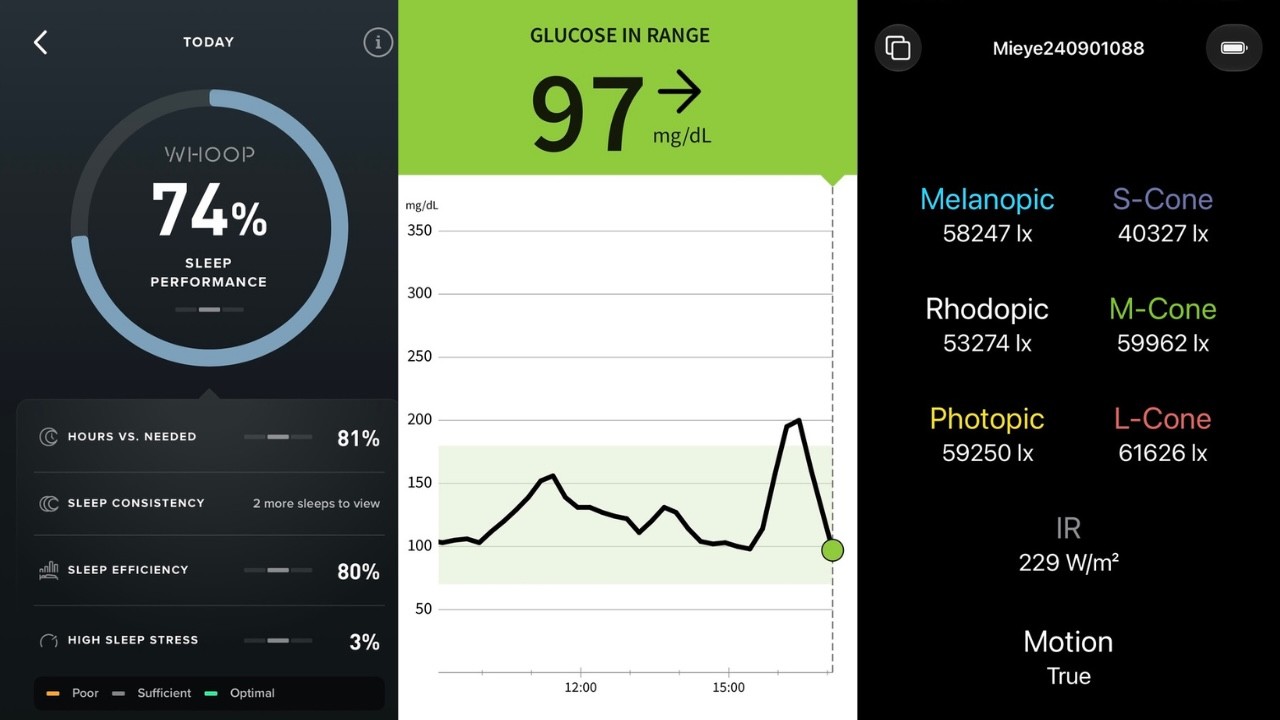
A wearable light sensor continuously measured visible light, melanopic light and near-infrared exposure throughout the day. Saliva samples tracked changes in cortisol and melatonin, while wearable technology monitored sleep duration, recovery, heart rate variability and physiological stress. Baseline assessments also included chronotype testing, sleep quality questionnaires and a personal history of light exposure.
The aim was to determine whether living more closely with the sun would produce measurable biological changes alongside psychological ones.
Georg reported his personal feelings. Waking up before sunrise was hard, having to break years of habit, creating fatigue, with afternoon naps becoming commonplace. Despite this, after only a few days, noticeable changes began to emerge. Georg described feeling significantly more energetic after mornings spent outdoors. Cycling became easier, concentration improved, and productivity increased. He found himself becoming more efficient during the day, helped by his need to protect his bedtime. The most significant change he reported was his relationship with sleep. After years of insomnia and poor sleep quality, Georg reported looking forward to his rest, rather than dreading it. He states that sleep became deeper and more consistent.
The gains were not only biological. Mornings themselves had become something worth having, with quiet streets and birdsong making a calm start to the day. Spending several hours outdoors before most people had started their day created a feeling of accomplishment long before arriving at work.
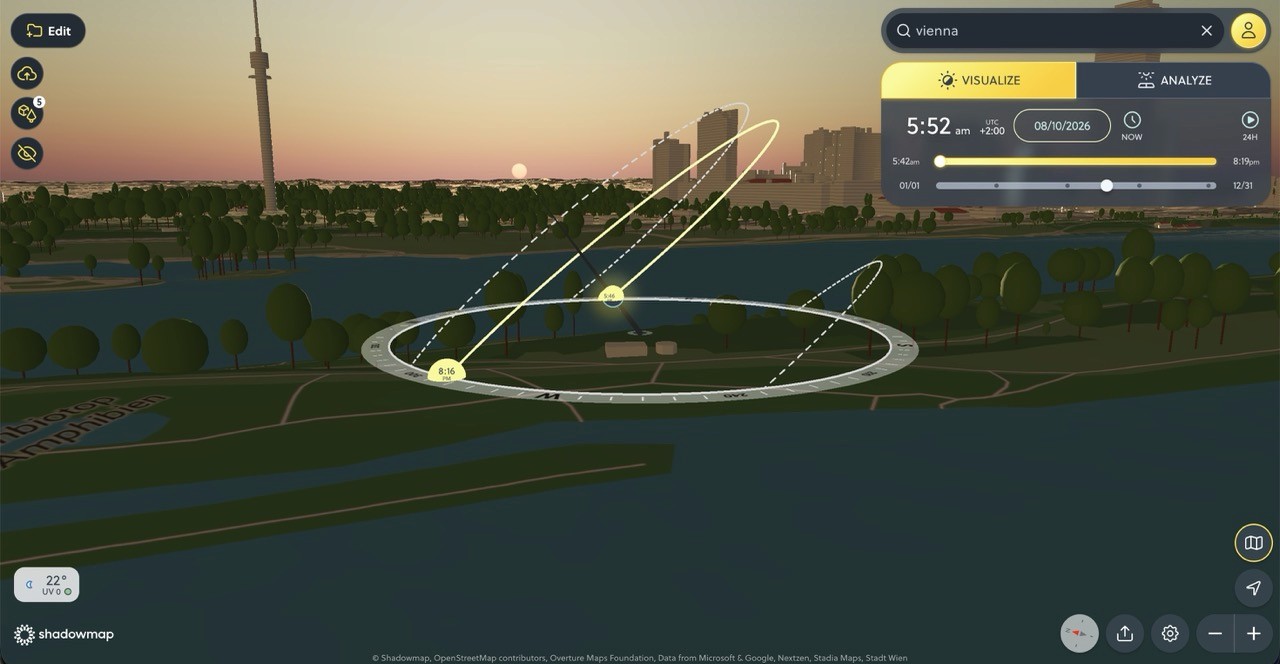
The experiment also exposed a problem with the modern city. Finding a sunrise in Vienna is harder than it sounds. Cities are planned around land value, not light, and high-rise buildings take the horizon away. Shadowmap helped locate the gaps, but in practice many of the best vantage points were private, fenced off, or simply too far to reach before dawn. That is a question for architects and city planners, not just for one man on a bicycle.
Laboratory analysis of the hormone samples, blood tests and long-term physiological data will show whether those subjective improvements are matched by measurable biological ones, or whether this was only ever a good story about early mornings.
Which leaves the question the three weeks kept returning to, long before any results come back. We protect access to parks and green space because we accept they are good for us. Sunlight does more measurable work on the human body than either.
So why is a view of the sunrise still something you have to go looking for?
Diesen Artikel teilen:

MEHR ERFAHREN
Erhellende Einblicke

BEKANNT AUS