Partager:

Modern health is becoming crowded. Wearables, advanced therapies, supplements, stem cell research and an ever-expanding market in biohacking gadgets all make it easy to believe that wellbeing is something you buy your way into. Nathan Siles, a biophysics specialist, argues the opposite. His case is that the foundations of human health are simple, and that the useful direction to look is not forwards into more sophisticated intervention but backwards, towards the environment humans evolved within.
Siles calls his framework foundational health. It rests on three pillars: light, water and magnetism, which he argues underpin the body's biological systems. Two of those pillars sit on firmer scientific ground than the third, a distinction worth holding onto through what follows.
"Light, water and magnetism," he says, "being the three keys that we try to find on planet Earth to optimise life." He describes the field as the 80/20 of health: "the 80% of what everyone should pretty much be doing in order to stay healthy and away from chronic disease."
His route into the subject was personal. Siles was left legally blind by retinoblastoma at eight months old, and received a second cancer diagnosis at 24. At the time he was a competitive swimmer working in investment banking, following most of the standard advice about how to live a long and healthy life. The diagnosis prompted a question rather than an answer.
"I was an athlete, I was a swimmer, I was an investment banker, my life was going well, but I had cancer," he says. "And I realised the diet and exercise paradigm is old news. The environment's changed. We're in the lowest solar exposure in human history."
He does not claim his environment caused either illness. What he says is that the experience made him look at the parts of daily life that health advice tends to ignore.

That search took him towards artificial light exposure, disrupted sleep, electromagnetic fields and the indoor lifestyle most people now live, and eventually into biophysics. Rather than focusing on the chemistry happening inside the body, he became interested in the environmental signals that regulate it.
Sunrise
The strongest part of his argument is also the best evidenced. Morning light entrains the circadian clock, and the downstream effects on hormone production, metabolism, sleep quality and daytime energy are well established in the literature. Siles describes sunrise as the body's reset button, a biological signal that sets up everything that follows in the day.
He came to it late. "The number of sunrises I saw up until I was 24 was about three or four," he says, "and they were because I stayed up all night and did an all-nighter." Watching one properly, after a night's sleep, was the change he describes as a turning point. He credits Jack Cruse, a neurosurgeon turned circadian health writer whose views sit well outside the medical mainstream, with pointing him towards the leptin-melanocortin system as the mechanism worth paying attention to. Siles then tested it on himself, tracking leptin, vitamin D, inflammatory markers and testosterone, and says they moved in the direction he wanted.
The practical version is unglamorous. Instead of reaching for a phone and a coffee on waking, spend a few minutes outside and let daylight do the work of establishing alertness. It costs nothing, which is part of his point.
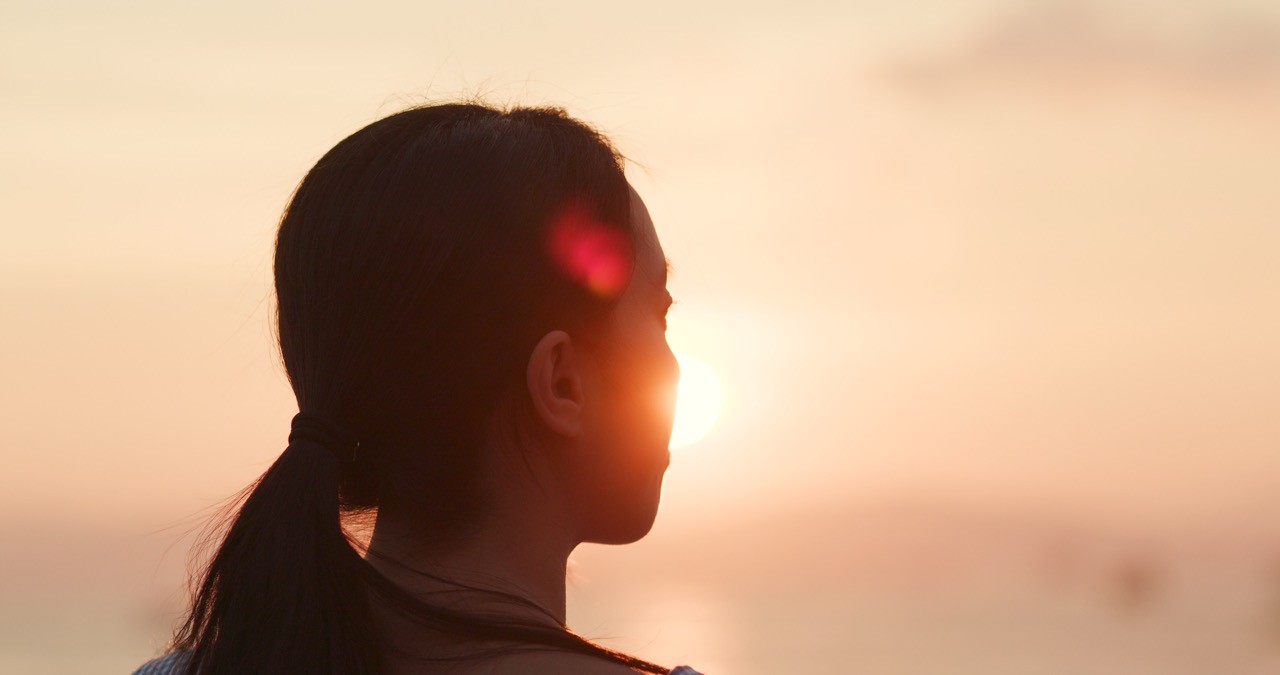
He returns repeatedly to the mismatch underneath all of this: humans evolved outdoors and now spend almost all of their time inside, under artificial light, surrounded by screens and wireless signals. His position is not that technology is harmful in itself but that natural inputs have become too scarce. His suggested corrections are reducing artificial light before bed, getting outside during the day, and disconnecting wireless devices overnight. The first two are conventional sleep hygiene advice. The third rests on his view that electromagnetic fields interfere with human biology, a claim that has not been established in the research and which he holds as a personal position rather than a settled one.
Not everyone can decamp to a remote beach. A walk through a park or lunch eaten outdoors will do. What matters, he argues, is repetition: small daily habits beat occasional intensive exposure.
Water
Siles describes oceans, lakes and rivers as recovery environments, and the case is partly straightforward. Swimming outdoors bundles several things together: immersion, cooler temperatures, natural light and time outside, each of which has some independent support. Cold water exposure in particular has a reasonable evidence base for stimulating adaptive responses.
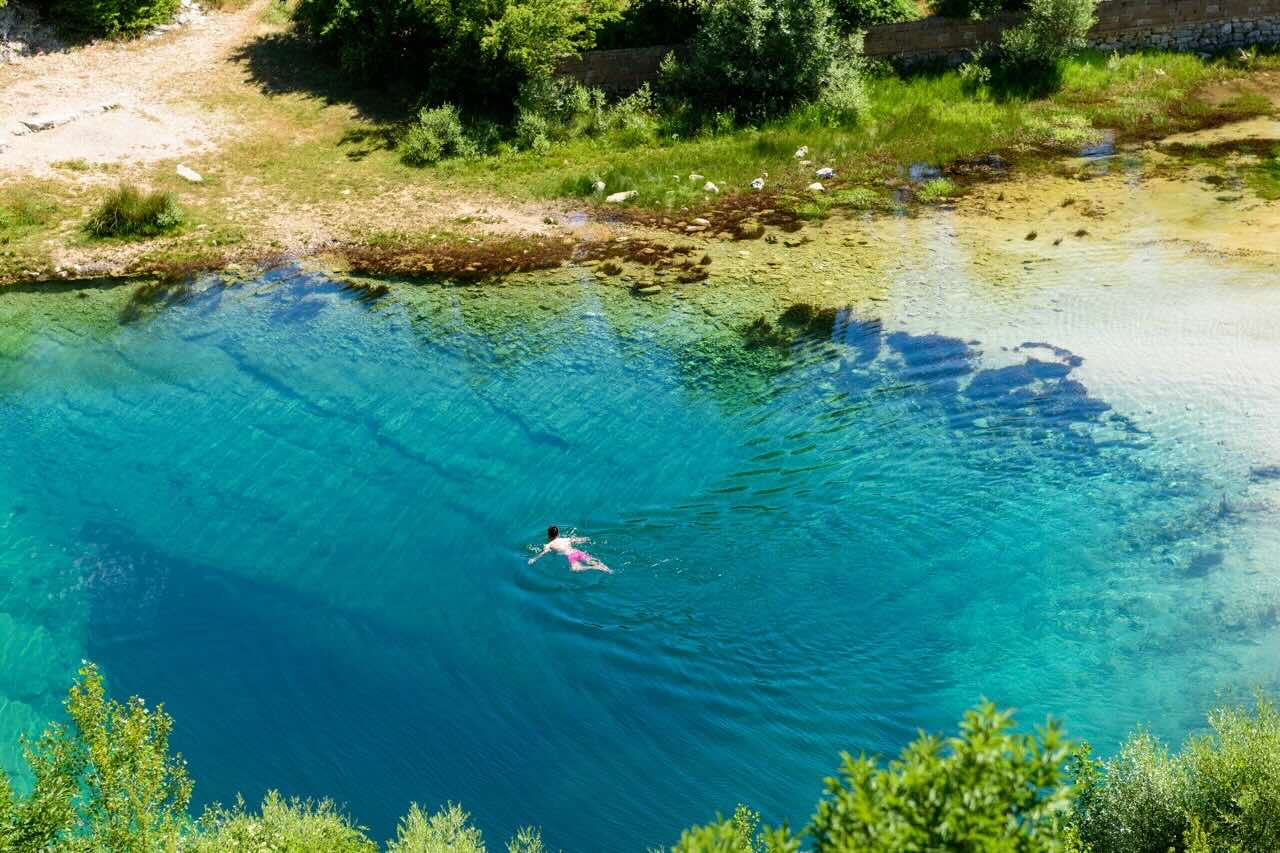
Where he goes further is in his account of salt water as an electrically conductive medium that benefits the body's energy systems. This is his own hypothesis, drawn from biophysics rather than from clinical research, and he presents it as such.
He is unembarrassed about the register this pulls him into. "It's there from when we were floating in mum's amniotic fluid," he says. "That water is our primal bath. It is our baptism."
The same is true of the geographical factors that feature prominently in his thinking: latitude, sunlight intensity, magnetic fields, altitude and access to clean natural space. Some of these have obvious mechanisms, sunlight intensity chief among them. Others are, for now, framework rather than finding.
Against the gadgets
Siles is sharply critical of the biohacking industry. The market's central message, he argues, is that nature alone is insufficient, and that meaningful health requires expensive devices and increasingly sophisticated therapies. He thinks that is backwards. Nothing replaces sunlight, green space and fresh air. Technology, at best, complements them.
"People in this modern world, they say, well, nature's not enough," he says. "I've heard people say that. I need stem cells, I need peptides, I need a panel. I need to turbocharge my cells. There's not enough touching the earth, I don't feel an electric shock when I touch the earth with my bare feet, I need to feel a machine pulse me. I'm here to tell you, it is more than enough. You just have to be there to capture it."
His prescription, stripped down, is close to free. Go outside. Watch the sunrise. Sleep in darkness. Move. Swim in open water when you can. Turn the lights down at night.
Which leaves the question his own critique raises and does not answer. If the things that matter most are available to everyone at no cost, why has an entire industry grown so large selling the alternative?
This article is published for general interest and is not medical advice. Nathan Siles is not a medical doctor. Nothing here is intended to diagnose, treat or prevent any condition, and it should not be used as a substitute for consultation with a qualified healthcare professional. Anyone with a health concern, or considering changes to treatment they are already receiving, should speak to their doctor first.
Nathan Siles is the founder of BioSpectral Systems and BioTra. He has a commercial interest in the products and programmes listed below:
BioTra Book: An Approach to Healthy Living in a Modern World A practical framework for understanding health through the lens of mitochondrial biology, circadian rhythms, light, water, nutrition and our relationship with the natural environment.
BioTra Immersion, Tulum, Mexico (27 October to 1 November) A six day, five night educational experience designed to help people reconnect with nature while exploring mitochondrial biophysics, biomechanics, psychospiritual wellbeing, circadian health and the foundations of a nature aligned life.
BioTra Foundations Course A comprehensive educational programme exploring the science of mitochondrial function, circadian biology and the foundational principles that support long-term health.
BioSpectral Melanin Infused Blue Light Blocking Glasses Designed to help create a healthier relationship with artificial light. Day Glasses reduce excessive indoor blue light while preserving natural colour perception. Night Glasses provide stronger blue and green light filtration after sunset to support healthy circadian rhythms and sleep.
Partager cet article:
EN SAVOIR PLUS
Des idées lumineuses

Tel que vu sur