Compartir:

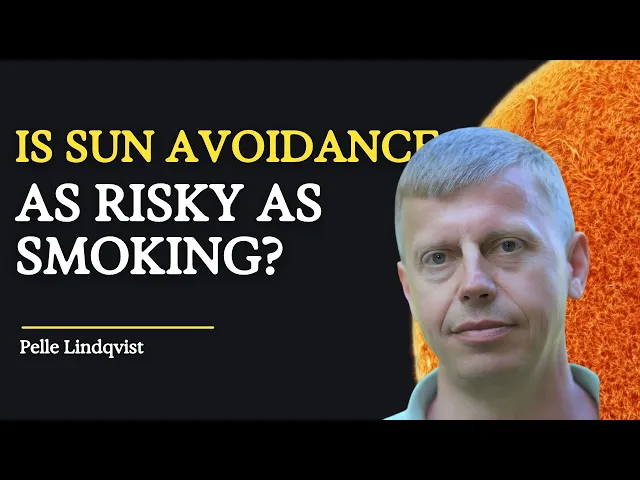
On almost every episode of the Sunlight Matters podcast, one name keeps coming up. Doctors, physicists and authors all point to the same Swedish study when they explain why the sun deserves a second look. So when we finally sat down with the man behind it, Professor Pelle Lindqvist, it felt a little like meeting royalty.
Lindqvist is a professor and senior consultant at Södersjukhuset, the South General Hospital in Stockholm. By training he is an obstetrician who specialises in preventing and treating blood clots. For the past 20 years, however, much of his research has focused on a question most of medicine stopped asking in the 1980s: what are the benefits of sun exposure?
How a hunting trip started a 34-year study
The research began almost by accident. Around 20 years ago, Lindqvist was out hunting with a friend, an oncologist who was running a large study on sun habits and the risk of melanoma. Lindqvist knew that vitamin D deficiency is linked to inflammation, and that inflammatory conditions raise the risk of blood clots. He kept asking whether he could use the same data to look at the other side of the story.

That data comes from the Melanoma in Southern Sweden (MISS) cohort, which recruited around 29,000 women in 1990. It is still running.
“We are following 29,000 women and we are in year 34.”
— Pelle Lindqvist, Professor and Senior Consultant, Södersjukhuset, Stockholm
What the data shows: sun avoiders die earlier
In 2014, Lindqvist and his colleagues reported that, over 20 years of follow-up, women who avoided the sun had roughly twice the death rate of those with the most active sun habits. Two years later, a follow-up analysis in the Journal of Internal Medicine examined which causes of death drove the difference. Women with active sun habits had a lower risk of dying from cardiovascular disease and from other non-cancer causes.
As risky as smoking?
To make the numbers easier to grasp, the team compared them with a risk everyone understands. Non-smokers who avoided the sun had a life expectancy similar to smokers with the highest sun exposure. Compared with the most sun-exposed women, avoiders lived between 0.6 and 2.1 years less.
Lindqvist’s conclusion is that, in a northern country like Sweden with low UV for much of the year, avoiding the sun is a risk factor on the same level as smoking. In the foreword he wrote for Dr Torkil Færø’s book The Sun Cure, he goes a step further, describing insufficient sun exposure as the fourth major lifestyle risk factor, alongside smoking, physical inactivity, and obesity.
He is careful about what this does and doesn’t prove. These are observational findings, but he believes the field is moving toward evidence of cause and effect, supported by large new studies from the UK Biobank and laboratory research into the mechanisms.
“My findings are observational findings, but we are closing in towards causal findings.”
— Pelle Lindqvist
The real melanoma risk is overexposure
None of this means that more sun is always better. Lindqvist’s newest paper, published in 2026 in Photochemical & Photobiological Sciences, takes on one of the most debated questions in sun research: sunbeds.

Like other studies, his team found a raised melanoma risk among sunbed users overall. But they then split the users into two groups. One group also had habits linked to overexposure: sunbathing until they burned, using sunscreen to stay out longer, or taking holidays specifically to sunbathe. The other group had none of those habits.
“All the risk was among those with overexposure.”
— Pelle Lindqvist
Sunbed users without overexposure habits had no higher melanoma risk than non-users. Those who also overexposed had a risk around 60% higher. Over 34 years, both groups of sunbed users had around 18% lower all-cause mortality than non-users, and there was no difference in deaths from melanoma itself.
For Lindqvist, the lesson is about burning rather than about the sun as such. He describes a scene familiar to many British readers:
“When we see the UK at Tenerife at day two and three, they are very red. They are overexposing. And this is the problem in terms of melanoma.”
— Pelle Lindqvist
This is not a case for sunbeds. The findings are observational, and researchers working on related studies stress that they do not support solarium use. The clearer message is that regular, moderate exposure and avoiding sunburn are very different things from occasional, intense overexposure.
Blood clots and the winter problem
Lindqvist’s first study on the sun’s benefits drew on his clinical speciality. In a 2009 paper in the Journal of Thrombosis and Haemostasis, he examined sun habits and the risk of venous thromboembolism, blood clots that can form in the legs and travel to the lungs.

He chose four questions from the study weighted towards getting enough sun in winter: do you sunbathe in summer, do you sunbathe on winter holidays, do you travel south for at least a week a year to sunbathe, and do you use a sunbed? For every “yes”, the risk of a blood clot over the following 11 years fell by between 30% and 40%. The risk was also higher in winter.
“In Sweden and northern countries, the problem isn’t the summer. The problem is getting sufficient levels during the winter.”
— Pelle Lindqvist
According to Lindqvist, Swedish obstetric guidelines now encourage pregnant women at higher risk of blood clots to get sun exposure to lower that risk, although he suspects many women never hear about it.
Beyond vitamin D: nitric oxide, endorphins and blood sugar
Vitamin D is the best-known benefit of sunlight, but Lindqvist thinks it is only part of the story.
“Everybody knows about vitamin D, but we also have nitric oxide and painkillers, endorphins.”
— Pelle Lindqvist
In his view, vitamin D matters most for autoimmunity and cancer outcomes, nitric oxide for type 2 diabetes and heart disease, and endorphins for how we feel. UV light also triggers nitric oxide release in the skin, which lowers blood pressure, a major driver of heart attacks and strokes.
The diabetes connection
Lindqvist believes the evidence for type 2 diabetes is closest to showing cause and effect. He points to a 2014 study led by Shelley Gorman’s group in Australia. Mice fed a high-fat diet and exposed to UV gained less weight, had better blood sugar control, less insulin resistance, and less fatty liver. Vitamin D supplements did not reproduce most of these benefits, but nitric oxide did.
In humans, a 2026 UK Biobank study in Scientific Reports, which Lindqvist co-authored with Richard Weller and colleagues, matched participants’ blood tests with satellite data on the sunlight where they lived. More sunlight in the days before a blood test was linked to lower blood glucose, especially in winter, and more frequent sunbed use was linked to a lower risk of later type 2 diabetes. The authors stress that these findings do not support solarium use. We explored the wider link between indoor life and diabetes in an earlier article.
Why this research struggles for funding
Despite being one of the most cited researchers in the field, Lindqvist has found it almost impossible to fund his work on sunlight's benefits. Earlier in his career, when he worked on genetics, money was not a problem.
“During my 20 years of research, it has not been possible to get any funding. Last year was the first time I got a small amount of funding for the sun exposure research.”
— Pelle Lindqvist
He believes the message that the sun is dangerous became fixed in the 1980s, and that research into its benefits has been swimming against the current ever since. That creates a problem for science itself:
“If only research going for the negative effects is getting sponsored, we have a structural bias in the results.”
— Pelle Lindqvist
Author Rowan Jacobsen traces the same history in our conversation about a hundred years of getting the sun wrong.
What this means for you
Lindqvist’s research doesn’t mean everyone should spend hours in the midday sun. It points to a balance, and to the winter months as the time most people in northern countries fall short.

Get outside regularly, all year round, rather than in rare, intense bursts.
Never burn. Build up your exposure gradually in spring and move into the shade when your skin tells you it has had enough.
Pay special attention to winter. Short days, low UV and indoor lives are where the risk lies, so make the most of bright days. Coach David Herrera shares his cold-season routine here.
If you have a history of skin cancer or a skin condition, follow your doctor’s advice.
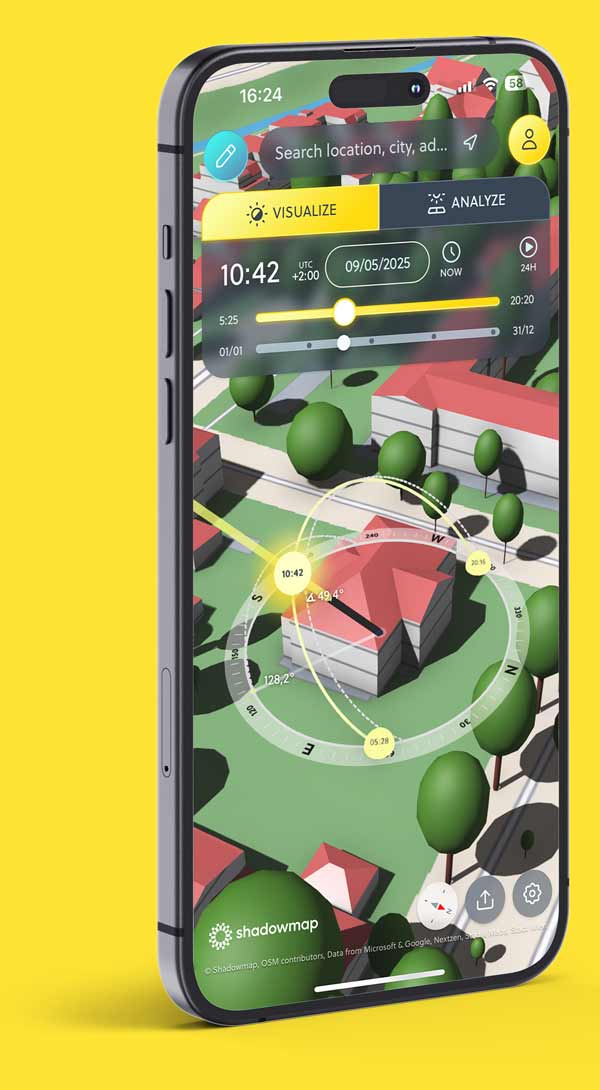
Shadowmap can help with the practical side. Open the free app to see where and when the sun reaches your street, garden or local park on any day of the year, so you can find the sunniest spots in winter and the shade in summer.
Frequently asked questions
Is sun exposure good for your health?
Large observational studies, including Pelle Lindqvist’s 34-year Swedish cohort and UK Biobank research, link regular sun exposure with lower all-cause and cardiovascular mortality. The key is moderate, regular exposure without burning.
Is avoiding the sun as bad as smoking?
In the MISS cohort, non-smoking women who avoided the sun had a similar life expectancy to smokers with the highest sun exposure. The study is observational, so it shows an association rather than proof of cause.
Are sunbeds safe?
Lindqvist’s 2026 study found that melanoma risk among sunbed users was concentrated in those who also overexposed to the sun. The researchers do not recommend sunbeds, and burning remains the main risk to avoid.
Is vitamin D the reason the sun is good for us?
Only partly. Lindqvist highlights nitric oxide, which may explain links with blood pressure and diabetes, and endorphins, which help explain why the sun makes us feel good. Read more about sunlight and vitamin D.
Listen to the full conversation
Hear Pelle Lindqvist talk about his research, his new sunbed findings and why he keeps going “against the wind” on the Sunlight Matters podcast.
Further listening and reading
Compartir este artículo:

MÁS INFORMACIÓN
Ideas iluminadoras




Consulta también