Share:

By: Kristen Gilbert
Occasionally I’ll mention in conversation that light has a profound impact on mental health, and am often met with a blank stare. While this concept can initially seem far fetched, having a low mood in the winter when there’s considerably less sunlight is common and even labelled “seasonal affective disorder” (SAD).
Recently I recorded a podcast on Sunlight Matters, and we discussed many of the points below. The podcast episode ultimately evolved into an ode to sunrise in all her glory.
Find out more about Kristen:
When we choose to step outside at sunrise and gaze to the brightest part of the sky, this creates a natural cortisol wave in our neurochemistry. Cortisol often gets a bad rap due to being known as our “stress hormone,” and stress indeed can cause excess production of cortisol. This is our brilliant bodies trying to keep us alive, and problems arise when we get stuck in a cortisol-flooded anxious state for most of our waking hours. Cortisol is essential for our survival, and living by circadian principles promotes balanced production of cortisol. A gentle cortisol wave created by sunrise helps us wake up, but if we start the day by looking at our phones, this creates a cortisol spike instead, followed by crashes throughout the day. Artificial blue light spikes our cortisol, which is why there’s a general recommendation to avoid screens 1 hour before bedtime. Too much cortisol can result in generalized anxiety, and the epidemic of this diagnosis may be in part due to our screen-centred life.
When hormones are imbalanced, this can create the conditions for irritability, low mood, sleep issues and a host of perimenopausal symptoms. What originally led me to explore circadian health was a significant hormone imbalance, mostly created by scrolling on my phone for the first 30 minutes of my day, and watching a show before bed. When I adopted the use of blue-blocking glasses and divested from screens at the beginning and end of the day, I was amazed at the increase in energy and mental clarity I experienced. This is in part due to sunrise signaling leptin, a master signaling and satiety hormone. This hormonal cascade, linking leptin to downstream pregnenolone and sex hormone production, draws on the work of Jack Kruse, a physician and independent researcher within the quantum biology community. Leptin, in Kruse’s model, stimulates the production of pregnenolone in the mitochondria, which downstream becomes our sex hormones (estrogen, progesterone, testosterone). In the case of stress, the body will “steal” pregnenolone to make cortisol as a survival strategy, short-changing our sex hormones and our reproductive ability.
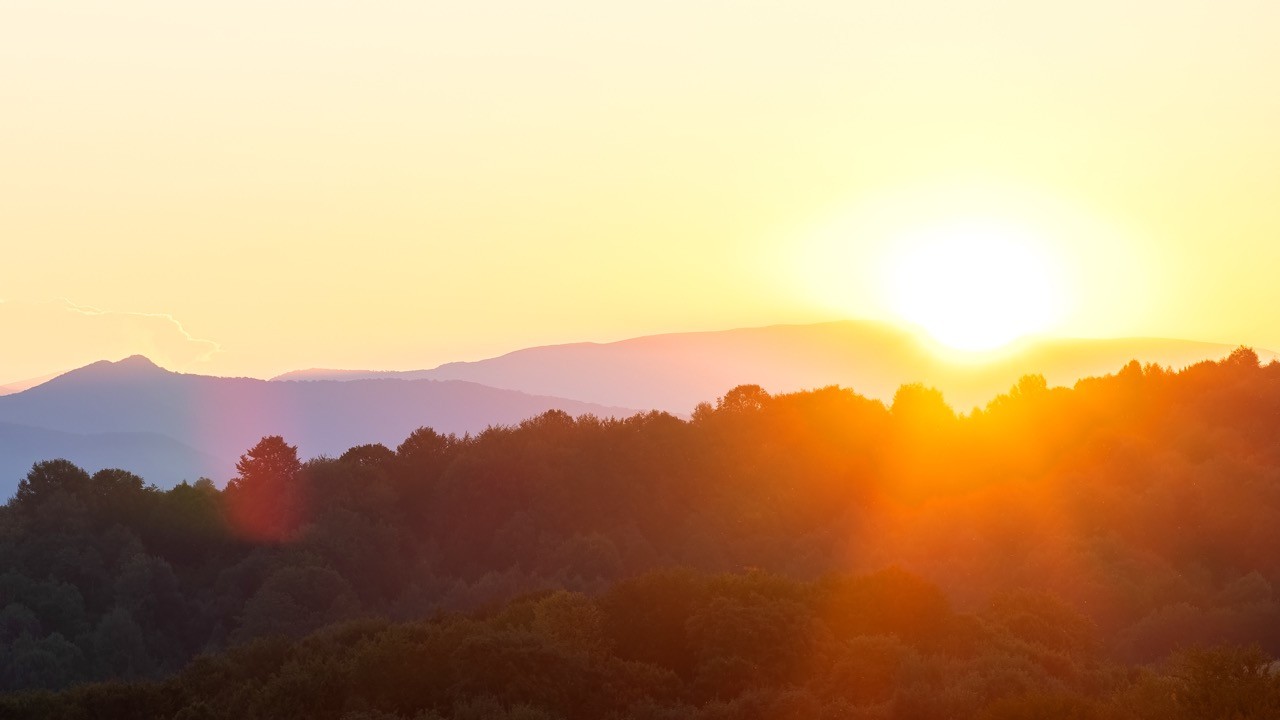
UVA light arises when the sun is between 10 and 30 degrees above the horizon. This happens about an hour after sunrise for approximately two hours, and conversely at the end of the day as well. As a mental health clinician, I emphasize spending at least 20 minutes outside during this time because UVA exposure is associated with dopamine and serotonin increases through skin photoreceptors and circadian pathways. Dopamine is our reward neurotransmitter, and staring at your phone causes a dump of dopamine, which is partially what makes phones addictive. ADHD is thought to involve a low dopamine state, which may help explain the dopamine-seeking behaviour associated with this diagnosis: compulsive shopping, stimulant use (therapeutic or recreational), and other addictive tendencies. Serotonin is a neurotransmitter that helps us feel good, and a low-serotonin state is associated with depression, hence the typically-recommended therapy of SSRIs. From a circadian perspective, it’s fascinating that serotonin generated in the morning UVA light later converts to melatonin, which not only helps us sleep more deeply but also acts as a self-generated master antioxidant in our bodies. I usually retreat to Mexico in the winter to prioritize being outside for the first 3 hours of the day, and am continually amazed with the sense of vitality and steady energy all day generated by this practice.
I have noticed through years of clinical practice that people who suffer with chronic depression often self-describe as “night owls” and consistently miss out on these first 3 hours of incredibly valuable morning light. Conversely, one of the habits of highly successful people includes waking at first light and tending to their own nervous system before anything else happens. Evidence indicates a strong link between circadian disruption and clinical depression: (see Yatagan Sevim, Law & Evans (2025), PLOS ONE) which found evening chronotype associated with significantly higher depression risk in young adults, a link mediated by mindfulness, sleep quality, and alcohol use.
Modern dermatology has sold us a lie that midday sun is bad for us, and should be avoided at all costs. UVB time of day is when we have the opportunity to absorb vitamin D from the sun, triggering a broader cascade of related metabolites beyond the single form delivered through supplementation. Citizen researcher Jim Stephenson Jr. has written extensively on this distinction, arguing that standard vitamin D science, and standard testing, reduces a complex hormonal system down to one or two measured molecules, when there’s a much larger family of D metabolites at play. He refers to it as “secosteroid hormone D” to emphasize that this is a hormone system, not a simple vitamin. This is a minority position within vitamin D research, but he makes an important point: the mainstream conversation about vitamin D often narrows to a single number on a lab test, when sun exposure may be adding up to more than that number captures. We only need 20 minutes of midday sun exposure to obtain an optimal amount of vitamin D, and if you have sensitive skin, it’s important to slowly build your solar callus. A circadian lifestyle encourages midday sun exposure when UVB light returns to the northern hemisphere, beginning in February. We evolved living outdoors, experiencing the building intensity of sun rays through the seasons. A well-established observational link exists between low vitamin D stores and clinical depression.
Additionally, when UVB light hits the skin, it triggers the cleaving (splitting) of a protein called POMC (proopiomelanocortin). One of the most significant metabolites cleaved from POMC is beta endorphin: this is the work of Derek Smyth. Sunlight-triggered endorphins suggest we’re designed to feel good in the sun, and to want more of it. We’re built to be in relationship with the sun. Another metabolite cleaved from POMC is ACTH, or adrenocorticotropic hormone, which stimulates the adrenal glands. This can increase stress resilience when we nourish our adrenals. Engaging in healthy midday sun exposure requires a paradigm shift for many, given decades of messaging telling us to avoid it.
Nuance is required with sun exposure: yes, too much UVB exposure can cause skin cancer, especially without priming the skin in UVA light. Diet can also influence the growth of skin cancer, particularly the consumption of inflammatory seed oils, which are highly problematic in other ways as well. When I’m in Mexico, and in summer in the northern hemisphere, I make sure I get full body UVA exposure in the mornings, because it activates a chemical in our skin called urocanic acid, which offers the skin some natural, modest UV protection. Commercial sunscreens contain many chemicals that can have deleterious effects on the body, as well as block the absorption of the vitamin D metabolites our bodies crave. Applying sunscreen and then supplementing with vitamin D compromises our ability to be in right relationship with the sun. When I’ve had enough direct sun, I cover up or go into the shade, just as animals do. Building a solar callus means learning the quality of light throughout the day and attuning to your body’s signals. When we’ve had enough UVB light, our skin will turn pink (erythema) to let us know. When we begin sun exposure in early season, while it’s still weak, we allow our solar callus to evolve in step with what’s happening in nature. This is the dance we evolved for, the one our biology still expects.
In 2016, a Swedish observational study (Lindqvist et al.) indicated that sunlight exposure reduces all-cause mortality and lengthens life span. The authors studied almost 30,000 women for 20 years and concluded that avoiding the sun was as hazardous to the body as smoking cigarettes. In fact, smokers with high sun exposure lived, on average, as long as nonsmokers who avoided the sun. While this study didn’t focus particularly on mental health outcomes, the UK Biobank study does.

The UK Biobank observational study titled “Day and Night Light Exposure are Associated with Psychiatric Disorders” was published in 2023 and involved almost 87,000 participants. Participants wore a bracelet that tracked light exposure throughout the day, and researchers measured a variety of metrics, revealing that exposure to artificial light after sunset raised an individual’s risk of developing disorders such as major depressive disorder, generalized anxiety disorder, PTSD, bipolar disorder, self-harm behavior, and psychotic experiences. Conversely, morning natural light exposure decreased the likelihood of these diagnoses by up to 20%. The messaging is clear: going outside in the morning and throughout the day supports positive mental health, while artificial light after dark can exacerbate the conditions that compromise it.
The Norwegian Kallestad study, “Clinical benefits of modifying the evening light environment in an acute psychiatric unit,” found that circadian lighting lowered violent incidents compared to a control group under traditional blue-rich LED lights. Circadian lighting, which shifted from full-spectrum light during the day to zero blue light after sunset, produced 3 fewer serious violent incidents per 100 days. These findings offer a vivid illustration of how directly light governs nervous system regulation, with real potential for improving psychiatric hospital care and reducing violence against staff.
I have worked for the last 12 years in public practice serving people with severe axis 1 diagnoses, including schizophrenia, bipolar disorder, PTSD and personality disorders. Through clinical practice I’ve noticed a clear correlation between circadian dysregulation and bipolar disorder as a trait-level feature, and a significant body of evidence corroborates this finding. Irregular sleep-wake rhythms, an evening chronotype, abnormal melatonin secretion, vulnerability in clock genes, and irregularity in social time cues have all been well documented in bipolar disorder. Episodes of mania can cause significant damage in a person’s life, including impulsive behaviour, uncontrolled spending, aggression, sexual uninhibitedness, and other out-of-character behaviour. There is much evidence and intervention for depression, because the lowest lows of bipolar disorder can be deadly. Little is taught, however, about how to stave off an episode of mania. Dark room therapy and blue-blocking glasses have been shown in randomized controlled trials to de-escalate mania in its early stages, which is tremendously empowering for the individual. Repeated episodes of mania over time can degrade brain function, not to mention the fallout from manic behaviour itself.
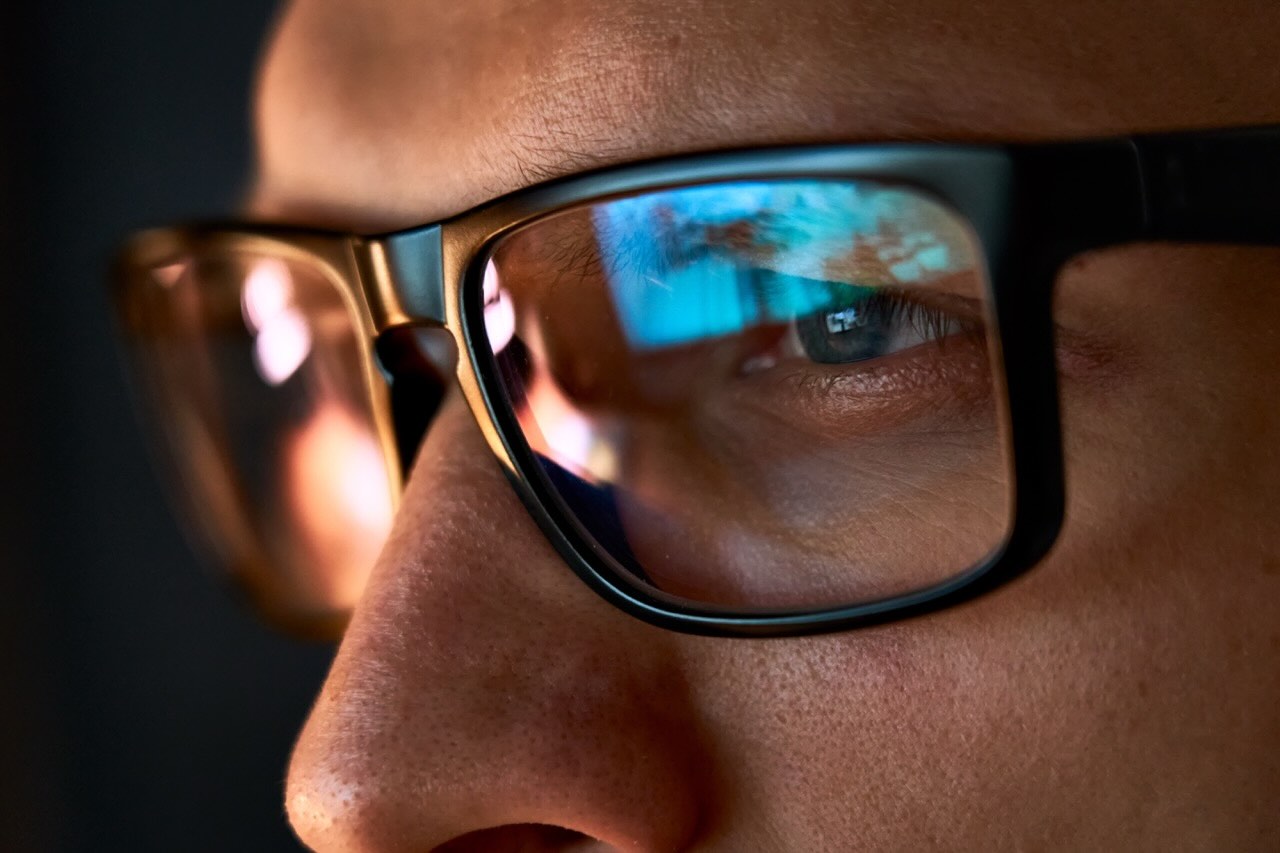
I have also noticed that people with a bipolar diagnosis tend to struggle with low mood heading into winter, as we lose light in the northern hemisphere. I’ve seen a hugely positive mood shift when these clients adopt a circadian lifestyle: seeing the sunrise, blocking artificial light after dark, honouring the dark time of year, and prioritizing time outside. Orange-toned blue-blocking glasses can also help improve sleep and down-regulate the nervous system in clients showing early signs of mania. These low-or-no-cost interventions work best when people around the client can help recognize early warning signs; struggling with sleep is often one of the first signs of a nervous system ramping up. A current major research initiative, the HELIOS-BD study, is testing the hypothesis that people with bipolar disorder have a pathophysiological change at the retinal level, making them hypersensitive to light’s visual and non-visual effects and more vulnerable to circadian disruption.
Despite ample evidence, I encounter a lot of resistance to seeing the sunrise. I started asking questions, since I had my own resistance to outdoor morning light when I first heard about it through Andrew Huberman. Once I understood the hormonal signaling behind it, I was in to try. Once I experienced a dramatic increase in my own vitality, I was hooked. I understand many people cherish their evening time. When I posed this question on social media, many answered that once their kids go to bed, it’s the only time they get to themselves. Others said they feel they haven’t accomplished enough and need to extend their productivity into the evening. Some know they “should” go to bed but don’t feel tired. Some said they’re afraid for the day to end. If this is you, I understand where you’re coming from. We treat each struggle individually and with care.
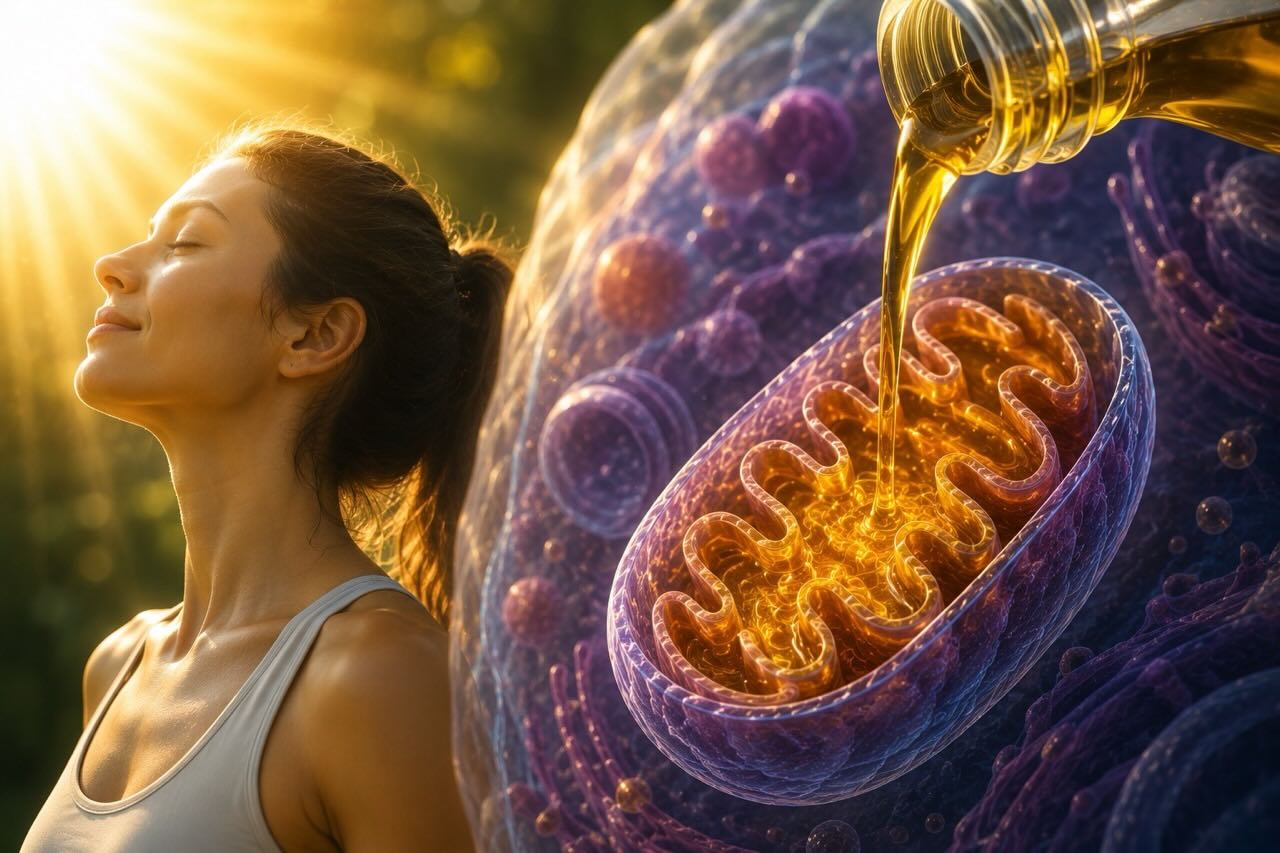
For all of the above reasons, I start with morning light in my clinical practice. No matter when you wake, go outside. Don’t look at your phone or flip on artificial blue light. Stand with your bare feet on the ground and gaze to the brightest part of the sky. Five minutes is what your body needs to get the memo that the day is starting, and then the orchestra of your body begins. Sometimes it takes months of finessing to support someone in syncing their circadian rhythm. Working with the most severely and persistently mentally ill clientele has taught me patience with a process that can be slow. I’m continually impressed and buoyed by those who take this on, returning a week later to say they feel like a new person with renewed energy. Once circadian rhythm is established, which also requires blocking artificial and bright light after dark, many other conditions naturally resolve, because we’re tending to the mitochondrial terrain rather than chasing symptoms. When the terrain is primed, interventions have a place to land and can increase in effectiveness.
Going outside at sunrise plugs me into the magic of the day. I often say that Mother Nature is always showing off; are we paying attention? Starting my day from a regulated place is essential to set me up for a day of working with others in need. Being of service requires that my own terrain is strong, and that I listen to the messages my body sends me. When I start my day from a place of beauty and inspiration, everyone I come into contact with benefits.
If you need some inspiration to get outside at sunrise, Kristen is hosting a free sunrise challenge starting Friday, September 11th. DM her to register!
Share this article:

LEARN MORE
Illuminating insights



AS Seen On